-
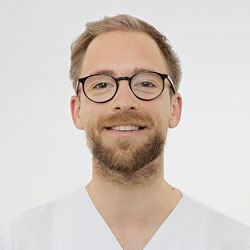 Prof. Dr. Tobias Fretwurst What if our therapies were as precise as Netflix recommendations? What sounds like the future is becoming increasingly commonplace in many areas of medicine. In this talk, Dr. Fretwurst will explain in simple terms what is meant by precision medicine and discuss its immense potential. Then he will showcase how his work group is already making use of this so-called personalized medicine in the field of implant dentistry. How can precision medicine be applied, for example, in grafting surgery? Can it revolutionize peri-implantitis diagnosis? What are the current limitations? Recorded - July 12, 2023
 -
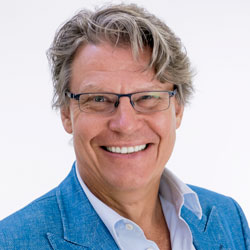 Lambert Stumpel, DDS The restorative materials that are used for all on four implant fixed prosthesis vary between PMMA, composite, translucent and high strength Zirconia. Most need internal reinforcement to function successfully in the oral environment. Historically support consisted of a cast gold bar, in recent years CAD/CAM milled titanium has been popularized. Today yet another support system has been developed. It allows the fabrication of a metal bar in about 20-30 minutes, at a fraction of the cost of current CAD/CAM bars. This presentation will show how a prefabricated modular system, when combined with modern printing and milling techniques, allows the fabrication of a final prosthesis near time of implant placement. Recorded – February 25, 2023
 -
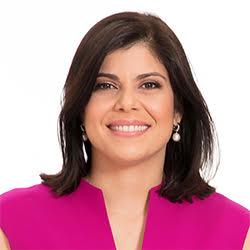 Irene Marron-Tarrazzi, DMD, MS This webinar will discuss contemporary approaches for minimally invasive and predictable treatment of soft tissue deformities using microsurgical techniques in periodontal and implant surgery. Upon completion of this presentation, participants should be able to: 1) Explore different surgical techniques where periodontal microsurgical principles can be applied. 2) Describe what the adequate amount of soft tissue management and gingival volume required for peri-implant esthetics. 3) Explain the key factors for a successful outcome. Recorded - January 20, 2024
 -
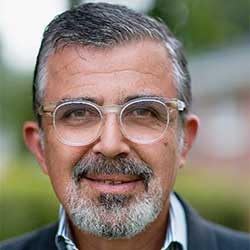 Irene Marron-Tarrazzi, DMD, MS The successful fabrication and delivery of fixed implant supported prosthesis is dependent upon a systematic interplay between the surgical and prosthetic treatment planning objectives. A paradigm shift has taken place as the Graftless surgical approach has gained credibility. Reduced treatment time, a single stage surgical reconstructions and immediate loading has resulted in a higher degree of case acceptance. Upon completion of this presentation, participants should be able to: 1) Identify the appropriate number of implants for full arch reconstructions. 2) Discuss the proper distribution of implants for full arch reconstructions. 3) Explain the use of Axial, tilted and zygoma implants for full arch maxillary reconstructions. Recorded - February 10, 2024
 -
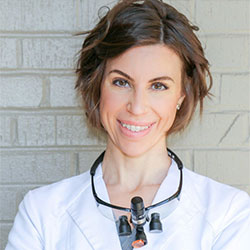 Courtney Donkoh, DDS This presentation will familiarize the audience with several types of facial growth patterns, as described in the literature by Dr. Arne Bjork. The audience will learn how to assess mandibular rotation and understand how to differentiate the various types of mandibular rotation, as described in the literature by Dr. Peter Buschang. Along the way, we will discuss interventions that influence mandibular rotation. Upon completion of this presentation, participants should be able to: 1) Describe the three types of forward mandibular rotation and two types of backward mandibular rotation. 2) Explain the difference between matrix rotation and true rotation of the mandible and describe how to assess both. 3) Identify six interventions that influence mandibular rotation. Recorded – March 19, 2024
 -
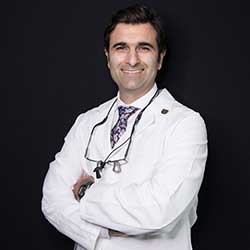 Sam Shamardi, DMD This course will provide an overview of several essential factors that a dental professional needs to succeed as an individual and practice owner from graduation day to retirement. Upon completion of this presentation, participants should be able to: 1) Identify best options for student loan repayment. 2) Explain why saving from day one is essential. 3) Describe important lifestyle and work habits that need to be considered for long term success. Recorded – March 26, 2024
 -
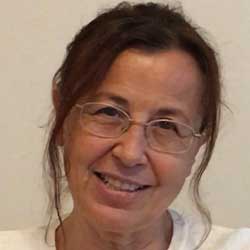 Nermin Tarhan, MS Personalized medicine requires individual risk assessment as an integral part of the diagnostic, therapeutic, and prognostic processes. Despite categoric evaluation of most medical diseases/disorders, it is crucial to evaluate each patient individually. Peri-implantitis is one of the important complications of dental implant treatments and in many cases management of peri-implantitis can be quite challenging for dental professionals. Thus, prevention of peri-implantitis is suggested to be of utmost importance. Upon completion of this presentation, participants should be able to: 1) Describe personalized medicine, and individual risk assessment. 2) Explain the challenge and complexity of successful management of peri-implantitis. 3) Identify the essential elements of risk assessment for prevention of peri-implantitis. Record on November 20th
 -
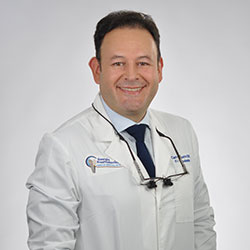 Carlos Castro, DDS This session will take a comprehensive look at the rationale for development and innovations in implant-supported denture planning and designs. Upon completion of this presentation, participants should be able to: 1) Discuss the evolution of implant-supported denture design and Its Impact on patient outcomes. 2) Explain biological considerations including osseointegration, tissue response, and long-term health. 3) Describe biomechanical perspectives: load distribution, prosthesis stability, and patient comfort Recorded – October 17, 2024
 -
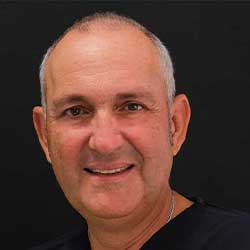 Hakan Özyuvacı, DDS, PhD Nowadays, implant applications to compensate for missing teeth have become very common. As in many cases, we can easily apply implants. Unfortunately, during implant applications, we often encounter hard and soft tissue deficiencies and we apply many different methods to compensate for these deficiencies. Although there are cases where we have performed with advanced surgical techniques and achieved good results, we have pursued alternative treatment methods due to the risk of complications and the prolonged treatment period. In this presentation, current treatment methods preferred to shorten treatment processes and reduce complication risks and the advantages and disadvantages of advanced surgical techniques we have previously applied will be discussed. Upon completion of this presentation, participants should be able to: 1) Discuss comprehensive implant treatment. 2) Describe how to reduce the risk of complications and treatment processes of advanced surgical techniques. 3) Explain the predictable advantages of alternative treatment methods with fewer angled implants or shortened implant placement. Recorded September 24th
 -
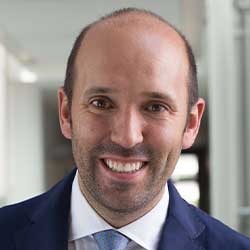 Recorded on January 15th Description: This presentation will focus on the key restorative aspects that are related to the long-term success of implant restorations and peri-implant tissue stability. Upon completion of this presentation, participants should be able to: 1) Describe the ideal implant positioning in relation to the tooth position and the bone. 2) Explain how to design the implant restoration emergence profile. 3) Select the best restorative material. Gianluca Paniz DDS, MS, PhD Gianluca Paniz achieved his dental degree (DDS) at the University of Padova (Italy) in 2002. He attended TUFTS University (Boston, USA) from 2003 until 2007 and achieved the Certificate of Advanced Education in Prosthodontics, the Master of Science (with a research on the esthetic outcome of different ceramic restorations) and the Certificate of Advanced Education in Esthetic Dentistry. In 2016 achieved the title of Doctor Philosophiae (PhD) at the Univeristat International de Catalunja (Barcelona, Spain) with a research on the periodontal response to different prosthetic margin designs. Gianluca Paniz is Adjunct Assistant Professor in the Department of Prosthodontics and Operative Dentistry at TUFTS University (Boston, USA) and Visiting Professor in the Department of Implantology at the University of Padova (Padova, Italy). Diplomate of the American Board of Prosthodontics, Recognized Specialist of the European Prosthodontic Association (E.P.A.), Founder of the Italian Society of Prosthodontics and Oral Rehabilitation (SIPRO), Active Member of the Italian Academy of Prosthetic Dentistry (AIOP), of the Italian Academy of Osseointegration (IAO) and of the Italian Academy of Aesthetic Dentistry (IAED). Gianluca lectures nationally and internationally. Reviewer for the International Journal of Periodontics and Restorative Dentistry, author or coauthor of several articles and book chapters. Gianluca Paniz practice in his office in Padova and Vicenza, Italy and in Marbella, Spain. Dr. Paniz has indicated that he has no relevant financial relationships to disclose.
 -
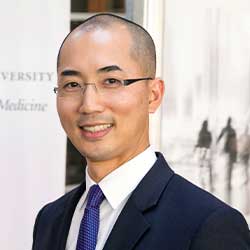 Yong-Han Koo, DDS In this program, you will learn about new innovations in digital robotic workflow for optimal clinical care ranging from a single-tooth, immediate implant therapy to complex situations addressing both severe hard and soft tissue defects using bioactive modifiers and customized GBR techniques in the esthetic zone as well as the posterior maxilla and mandible. Specifically, efficient robotic-assisted surgical protocol based on prosthetically and biologically driven concept will be reviewed in a step-by-step manner. Future concepts will also be discussed. Upon completion of this presentation, participants should be able to: 1) Explain the difference between ‘Success’ vs ‘Survival’ in implant therapy. 2) Discuss when to apply Stage I, II and III surgical protocols based on risk factors and predictability. 3) Recognize the advantages of robotic-assisted surgery and appreciate the benefits of minimally invasive surgery.Recorded December 11th, 2024
 -
 Recorded on February 18th, 2025 Description: The goal of modern implant therapy in aesthetic areas is no longer represented just by the successful integration of the implant or tooth restoration. The final result must be a restoration surrounded by a soft and hard tissue environment in harmony with the existing teeth. Gingival health is among the first fundamental esthetic objectives during treatment planning; it is also essential to consider gingival morphology and contour. The ideal gingival architecture has been described as one that consists of knife-edged gingival margins tightly adapted to the teeth, interdental grooves, and cone-shaped inter- dental papilla. Soft tissue grafting procedures are increasingly performed for a number of indications in conjunction with dental implant therapy. The presentation will identify the role of gingival form in esthetic dentistry. A new volume stable collagen matrix will be presented analyzing research data and clinical indications. The surgical protocol in peri-implant soft tissues management and periodontal plastic surgery will be presented. Upon completion of this presentation, participants should be able to: 1) Identify methods of treatment planning for soft tissues management. 2) Describe proper surgical technique in peri-implant soft tissues management. 3) Recognize the best surgical technique for soft tissues harvesting. Mario Beretta, DDS, MSc, PhD Mario Beretta graduated with a degree in Dentistry and Dental Prosthetics at the University of Milan in 1999, specializing in Oral Surgery and received his PhD in Oral Implantology and Complex Rehabilitation in 2003, also at the University of Milan. He currently serves as Associate Professor in Oral Surgery at the School of Dentistry at the University of Milan and is Associate Professor in Oral Surgery in the Grad School at the University of Milan. Dr. Beretta is the author of several scientific publications and co-author of books concerning implants and bone augmentation. He is a speaker at many national and international congresses. Dr. Beretta has indicated he has no relevant financial relationships to disclose. Relevant literature for further information: Beretta M, Poli PP, Pieriboni S, Tansella S, Manfredini M, Cicciù M, Maiorana C. Peri-Implant Soft Tissue Conditioning by Means of Customized Healing Abutment: A Randomized Controlled Clinical Trial. Materials. 2019; 12(18):3041. https://doi.org/10.3390/ma1218304 avelli L, Barootchi S, Avila-Ortiz G, Urban IA, Giannobile WV, Wang HL. Peri-implant soft tissue phenotype modification and its impact on peri-implant health: A systematic review and network meta-analysis. J Periodontol. 2021;92:21–44. https://doi.org/10.1002/JPER.19-0716 tefanini M, Marzadori M, Sangiorgi M, Rendon A, Testori T, Zucchelli G. Complications and treatment errors in peri-implant soft tissue management. Periodontol 2000. 2023;92:263-277. doi: 10.1111/prd.12470
 -
 Recorded on April 10th, 2025 Description: Peri-implantitis has been receiving attention following recent studies that showed that it is highly prevalent and difficult to manage. This lecture will provide the latest evidence-based information on peri-implant diseases with emphasis on the role that titanium particle release has in destructive bone inflammation around implants. Strategies for prevention and mitigation will be presented through clinical cases. Upon completion of this presentation, participants should be able to: 1) Identify explicit methods of peri-implant evaluation. 2) Explain the role of titanium particles around implants. 3) Discuss the etiology of peri-implantitis. Georgios Kotsakis, DDS, MS Dr. George Kotsakis is a Professor & Assistant Dean for Clinical Research at the Rutgers School of Dental Medicine. He is a dual trained clinician scientist and Board Certified Periodontist. At Rutgers he is the Director of Research leading the NIH-funded Clinical Research Center conducting research on the biological mechanisms underlying peri-implant bone loss and developing novel treatments for dental and biomedical implants. Dr. Kotsakis has published over 100 peer-reviewed scientific articles and textbook chapters with more than 30,000 citations of his work. He is one of the few Dental researchers to have been published in prestigious medical publications, such as the Lancet and PNAS. He has been the recipient of multiple career and research awards from the American Academy of Periodontology, the Academy of Periodontology Foundation and other organizations. Additionally, he serves as an Associate Editor for the Journal of Periodontology and CIDRR. Dr. Kotsakis has indicated the following relevant financial relationships to disclose: Speaker and received honoraria: Osteogenics, Novabone Received honoraria: Datum Dental Performed research: Osteogenics, Novabone, Datum Dental, Dentsply, MIS, Stellalife, ITI, Waterpik
 -
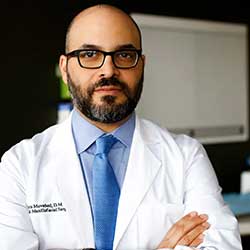 Recorded on May 1st, 2025 Description: Indications for application of total temporomandibular joint replacement (TJR) and maxillomandibular advancement (MMA) are multifaceted and vary from case to case, and it is imperative for the clinician to understand all the contemporary approaches and literature when considering the appropriate treatment for airway disorders, obstructive sleep apnea (OSA) , TMD, craniofacial deformities and trauma. The proper diagnosis must be supported by the necessary studies, including TMJ MRI, CBCT, polysomnography, and clinical findings. The correct option and timing of surgery is paramount to the long-term success of each case. Tailored treatment planning will be discussed in conjunction with cutting edge digital workflow to increase success and predictability of surgical and stable orthodontic outcomes. Upon completion of this presentation, participants should be able to: 1) Explain the various TMJ pathologies requiring TJR. 2) Describe when to use TJR to ensure the most stable biomechanical outcomes. 3) Recognize the available methodologies including clinical assessment, CT scan, and MRI for utilizing TJR as part of the ortho-surgical treatment. Reza Movahed, DMD Dr. Reza Movahed is an Oral and Maxillofacial Surgeon in private practice serving the greater St. Louis region, San Francisco Bay area, and patients from across the country. His private practice, Movahed OMS, concentrates on treating patients with dentofacial deformities and obstructive sleep apnea requiring corrective jaw surgery, temporomandibular joint surgery, and combined orthognathic and TMJ surgery. After receiving his Doctorate in Dental Medicine from the University of Medicine and Dentistry of New Jersey, he completed his residency program at Nova Southeastern University, and a fellowship specializing in TMJ and corrective jaw surgery to manage dentofacial deformities. Dr. Movahed is a Clinical Assistant Professor at the Saint Louis University, Department of Orthodontics, where he lectures on surgical orthodontics and takes part in multidisciplinary ortho-surgical cases with residents. He has written multiple chapters for books concentrating in OSA, joint and corrective jaw surgery, numerous scientific articles, and is the coauthor of a textbook which focuses on treatments for sleep apnea. In his spare time, he is a painter and musician. Dr. Movahed has indicated he has no relevant financial relationships to disclose.
Relevant literature for further information:
Movahed, Reza, AND Semensohn, Ryan. “Indications for alloplastic total joint replacement in obstructive sleep apnea patients requiring maxillomandibular advancement” Frontiers of Oral and Maxillofacial Medicine [Online], Volume 5(16 February 2023) Al-Moraissi , E.A. , Wolford , L.M. , 2017 . Does temporomandibular joint pathology with or without surgical management affect the stability of counterclockwise rotation of the maxillomandibular complex in orthognathic surgery? A systematic review and meta-analysis. Journal of Oral and Maxillofacial Surgery , 75 ( 4 ), 805 – 821 . Arif H, Ashraf R, Khan F, Khattak YR, Nisar H, Ahmad I. Total temporomandibular joint reconstruction prosthesis in hemifacial microsomia: A systematic review. Orthod Craniofac Res. 2024; 27: 15-26. doi:10.1111/ocr.12695
-
 Recorded on May 21st, 2025 Description: Utilizing implant rehabilitation in treating patients with terminal dentition has been an optimal treatment modality in modern dental clinics with numerous scientific support. However, the most favorable survival/success outcome and longevity in such treatment remain challenging due to the complexity of which requiring intellectual knowledge and meticulous clinical execution. To begin with, the diagnosis, treatment plan, surgical intervention and fabrication of definitive prosthesis relies on comprehensive and fundamental prosthetic knowledge. Digital dental equipment, software and biomaterials were introduced in dentistry to reduce the pitfalls clinicians frequently encounter in the conventional world. Nevertheless, the integration of modern dental technologies providing top-quality end results of full mouth implant prosthesis will require understanding and in-depth knowledge for all perspectives. Upon completion of this presentation, participants should be able to: 1) Discuss interdisciplinary treatment planning workflow. 2) Navigate full digital implant protocols including the “NaviSmile Workflow”. 3) Explain the current limitations and latest invention of digital application for digital full arch definitive prosthesis. Selene Kuo, DDS, MS Dr. Selene (Hsin Yu) Kuo received her dual degrees in prosthodontics from Kaohsiung Medical University College of Dentistry (Taiwan) and Columbia University College of Dental Medicine (New York, USA). She then continued her academic appointment as clinical assistant professor in New York University College of Dentistry, Columbia University College of Dental Medicine, and Taipei Medical University College of Dentistry. With her profound prosthodontic-implant knowledge and clinical experience, her vision in digital implant dentistry drives her developed the innovative digital workflow “NaviSmile” featuring full mouth implant rehabilitation. “NaviSmile” workflow which incorporates the “era-breaking” dental navigation machine along with dental CAD/CAM equipment and software which precisely brings back patients’ health and smile. Dr. Kuo devotes herself in academia published numerous publications related to digital dentistry and has been lectured nationally/internationally. She also runs her private practice in Taipei City focusing on digital prosthodontics and dental implants. Dr. Kuo has stated she has no relevant financial conflicts to disclose. Relevant literature for further information: Martins J, Rangel J, de Araújo Nobre M, Ferro A, Nunes M, Almeida R, Moura Guedes C. A New Full Digital Workflow for Fixed Prosthetic Rehabilitation of Full-Arch Edentulism Using the All-on-4 Concept. Medicina (Kaunas). 2024 Apr 26;60(5):720. doi: 10.3390/medicina60050720. PMID: 38792903; PMCID: PMC11123051. Shuo Yao, Xiaojuan Yang, Xiaohui Han, Yanning Xue, Lingyun He, Dong Fang, LianPin Yu, Yali Hou, Shengyun Huang Immediate full-arch rehabilitation of edentulous jaws on 4 or 6 implants using a photogrammetry system: A retrospective study up to 2 years of follow-up, Journal of Stomatology, Oral and Maxillofacial Surgery, 2024, 102202, ISSN 2468-7855, https://doi.org/10.1016/j.jormas.2024.102202. (https://www.sciencedirect.com/science/article/pii/S2468785524004919) Serri, M., Ruggiero, G., Serri, M., Mastrosimone, A., Zarone, F., & Sorrentino, R. (2024). A fully-digital rehabilitation for immediately loaded fixed in-terim complete-arch prosthesis: A case report. Journal of Osseointegration, 16(3), 8–14. https://doi.org/10.23805/JO.2024.661
 -
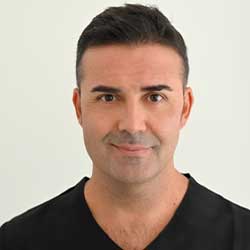 Recorded on May 13th, 2025 Description: This lecture explores the current state of occlusal management within prosthodontics, highlighting advancements in digital workflows, including the integration of intraoral scanning, computer-aided design and manufacturing (CAD/CAM), jaw tracking motion devices and virtual articulation systems. We will discuss how and when these tools enhance or do not enhance the accuracy of diagnosing occlusal relationships and the fabrication of prosthetic devices, ultimately leading to improved functional and aesthetic outcomes for patients. Furthermore, the role of digital occlusal analysis software in assessing and fine-tuning occlusal contacts for optimal performance and comfort will be addressed. This session is relevant for all clinicians who wish to enhance their knowledge in occlusion management in an increasingly digital world. Upon completion of this presentation, participants should be able to: 1) Identify the essential steps to digitalize the clinical data collection of the patient during the diagnostic phase. 2) Explain the digital procedures for aligning files that contain clinical data and the clinical procedures for executing complex prosthetic rehabilitation cases. 3) Discuss the advantages and disadvantages of the reported procedures. Luca Lepidi, DDS, MS Dr. Lepidi graduated from the University of Rome La Sapienza in 2001 (cum laude) and completed Master of Science in Oral Surgery in University of Rome, Tor Vergata. He attended the post-graduate program in Oral Implantology at the University of Chieti and in Gnatology at the University of Milano, Italy. Since then, he has worked intensively in the field of implant prosthodontics and digital dentistry. He also served as a part-time faculty member in prosthodontics, Department of Clinical and Experimental Medicine, University of Foggia Dental School, in Italy since 2011. Dr. Lepidi is Adjunct Professor at the University of Ferrara since 2022 and involved in multiple research projects in the areas of prosthodontics therapy and digital dentistry and is a senior lecturer at several University in Italy and in USA in post-graduate programs. He is an author and co-author of peer reviewed publications and serves as reviewer for multiple journals with high impact factor covering Prosthodontics and Digital Dentistry. Dr. Lepidi has indicated he has no relevant financial relationships to disclose. Relevant literature for further information: The 4D virtual patient: A proof of concept in digital dentistry Lepidi, Luca et al. The Journal of Prosthetic Dentistry, Published online April 13, 2024 Lepidi L, Suriano C, Wang HL, Granata S, Joda T, Li J. Digital fixed complete-arch rehabilitation: From virtual articulator mounting to clinical delivery. J Prosthet Dent. 2022 Mar;127(3):398-403. doi: 10.1016/j.prosdent.2020.08.049. Epub 2020 Dec 13. PMID: 33317830.
 -
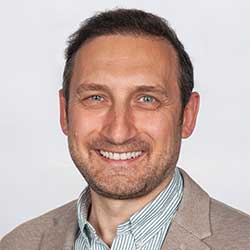 Recorded on May 20th, 2025 Description: This presentation explores the expanding role of 3D printing technology in implant prosthetic dentistry, highlighting its impact on clinical workflows and treatment outcomes. Attendees will gain insight into how additive manufacturing is applied to the fabrication of surgical guides and various temporary/definitive prostheses, from crowns to complete-arch frameworks. The talk will include current trends, clinical applications, and patient treatment examples demonstrating the benefits of 3D printing in enhancing precision, efficiency, and patient-specific care. Participants will also learn to differentiate between various types of 3D printers and their suitability for specific prosthodontic applications. In addition, the presentation will guide the selection of appropriate resins used in printing implant-supported restorations. Upon completion of this presentation, participants should be able to: 1) Discuss the extent of use of 3D printers in implant prosthetic dentistry. 2) Identify the types of printers suitable for implant prosthodontics. 3) Select the appropriate type of resins that can be used for 3D printed implant restorations. Burak Yilmaz, DDS, PhD Dr. Burak Yilmaz received his dental and PhD degrees from the Ankara University and his subsequent academic titles at The Ohio State University, College of Dentistry. He was promoted to the rank of Associate Professor with tenure in 2014, and to the rank of Full Professor in 2019. He was involved in teaching dental and postdoctoral students and performing research, while practicing in the Dental Faculty Practice during his time at The Ohio State University. In September 2020, he became the Director of the Digital Dental Technologies Research Laboratory at the University of Bern School of Dental Medicine. He is also an Adjunct Professor at The Ohio State University. He holds a special interest in implant prosthodontics and digital dentistry and published more than 340 research studies and clinical reports. He is the co-author of the Implants Chapter in 5th and 6th editions of “Contemporary Fixed Prosthodontics” textbook by Rosenstiel et al. He serves as the Associate Editor of the Journal of Prosthodontics, is a member of the Editorial Board of the Journal of Prosthetic Dentistry and the Journal of Dentistry, Digital Dentistry Section, and serves on the AO/OF Research Committee for the Academy of Osseointegration. Dr. Yilmaz has indicated the following relevant financial relationships to disclose: Spoken at Meetings: Neoss Implants, Straumann, Kaladent, Received honoraria: Neoss Implants, Saremco, Dentbird, Kaladent Employed by/provided consulting for: Dentbird Performed research sponsored by: DWS/Dfab, Neoss Implants Relevant literature for further information: Çakmak G, Cuellar AR, Donmez MB, Schimmel M, Abou-Ayash S, Lu W-E, Yilmaz B. Effect of Printing Layer Thickness on the Trueness and Margin Quality of 3D-Printed Interim Dental Crowns. Applied Sciences. 2021; 11(19):9246. https://doi.org/10.3390/app11199246 Sabatini GP, Yoon HI, Orgev A, Fonseca M, Molinero-Mourelle P, Yilmaz B, Cakmak G. Complete Digital Workflow for Fabricating an Occlusal Device Using Artificial Intelligence- Powered Design Software and Additive Manufacturing: A Dental Method. Int J Prosthodont. 2024 Feb 21;37(7):275-284. doi: 10.11607/ijp.8941. PMID: 38787592.
 -
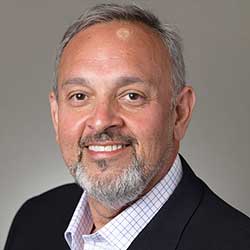 Recorded on September 16th, 2025 Description: A focus of this course will be on using lasers for management of mucogingival complex around implants during active implant treatment or implant maintenance phase. Upon completion of this presentation, participants should be able to: 1) Identify laser type (wavelengths) that may be beneficial for your dental implant practice. 2) Discuss laser applications in implant surgery, and for management of peri-implantitis. 3) Explain how laser applications could be beneficial in management of the mucogingival complex around implants during active phase of implant treatment or as part of implant maintenance. Mehrdad Favagehi, DDS, MS Dr. Mehrdad Favagehi is a Fellow of the Academy of Osseointegration. He maintains a private practice in a Northern Virginia suburb of the Washington, DC. He received his DDS from the Virginia Commonwealth University (VCU) School of Dentistry where he has served as part-time instructor since 1998 and for which he received a Teaching & Mentorship award from the American Academy of Periodontology (AAP) in 2011. Dr. Favagehi was a course co-director of VCU Laser Symposia. He has authored a book chapter about using lasers in periodontics (Chapter 4, Principles and Practice of Laser Dentistry, 3rd Edition, Elsevier, 2023). He has extensive experience with different laser wavelengths and has given many laser presentations at different conferences including AAP, AO and Academy of Laser Dentistry annual meetings. Dr. Favagehi is the Editor-in-Chief of the Academy of Osseointegration newsletter and the current President of the Osseointegration Foundation. Dr. Favagehi has indicated the following financial relationships: Zimvie, Implant Direct, Deka Laser – speaker, received honoraria This lecture will present off-label use: Use of different lasers in management of the mucogingival complex around implants. Dr. Favagehi has indicated the following financial relationships: Zimvie, Implant Direct, Deka Laser – speaker, received honoraria This lecture will present off-label use: Use of different lasers in management of the mucogingival complex around implants. Relevant literature for further information: American Academy of Periodontology best evidence consensus statement on the efficacy of laser therapy used alone or as an adjunct to non-surgical and surgical treatment of periodontitis and peri-implant diseases Michael P. Mills, Paul S. Rosen, Leandro Chambrone, Henry Greenwell, Richard T. Kao, Perry R. Klokkevold, Bradley S. McAllister, Mark A. Reynolds, Georgios E. Romanos, Hom-Lay Wang Wang HL, Avila-Ortiz G, Monje A, Kumar P, Calatrava J, Aghaloo T, Barootchi S, Fiorellini JP, Galarraga-Vinueza ME, Kan J, Lin GH, Ravida A, Saleh MHA, Tavelli L; AO/AAP Consensus Participants; Rosen PS. AO/AAP consensus on prevention and management of peri-implant diseases and conditions: Summary report. J Periodontol. 2025 Jun;96(6):519-541. doi: 10.1002/JPER.25-0270. Epub 2025 Jun 12. PMID: 40501397; PMCID: PMC12273748. Ravidà A, Dias DR, Lemke R, Rosen PS, Bertolini MM. Efficacy of Decontamination Methods for Biofilm Removal from Dental Implant Surfaces and Reosseointegration: An AAP/AO Systematic Review on Peri-implant Diseases and Conditions. Int J Oral Maxillofac Implants. 2025 Jun 6;(4):91-160. PMID: 40476898.
 -
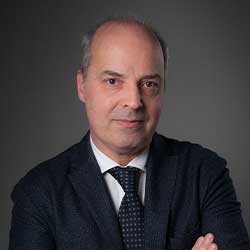 Join us on October 22nd, 2025 Description: Crestal sinus lift is a surgical procedure used to increase bone volume in the posterior region of the upper jaw, making it possible to place dental implants. However, this technique can involve several potential complications, both intraoperative and postoperative. The most common complication during the procedure is perforation of the sinus membrane, which can lead to graft material dispersing into the sinus cavity, significantly increasing the risk of infection. In the postoperative period, patients may experience infections, sinusitis, and complications related to graft integration, such as resorption or failure of the graft material to integrate. Upon completion of this presentation, participants should be able to: 1) Identify intraoperative and postoperative complications associated with the crestal sinus lift technique, including their incidence and clinical implications. 2) Explain the pathophysiology and clinical consequences of sinus membrane perforation. 3) Discuss evidence-based protocols for the prevention and management of crestal sinus lift complications. Claudio Stacchi, DDS, MSc Dr. Stacchi graduated with his degree in Dentistry (DDS) and specialized in Oral Surgery (MSc) at the University of Trieste (Italy). He has served as an Adjunct professor in Oral Implantology since 2007 at the School of Dentistry and at the Post-Graduate Program in Oral Surgery at the University of Trieste. Since 2022 he achieved the National Scientific Qualification (ASN) as Full Professor. He has authored around 100 articles on impacted international journals. His professional practice is limited to Periodontology and Implantology at the Dental Clinic of the University of Trieste (Italy) and at his private office in Gorizia (Italy). Dr. Favagehi has indicated the following financial relationships: Zimvie, Implant Direct, Deka Laser – speaker, received honoraria This lecture will present off-label use: Use of different lasers in management of the mucogingival complex around implants. Dr. Lepidi has indicated the following financial relationships: Resista, Megagen, Mectron, Tecnoss – speaker, received honoraria Resista – performed research Relevant literature for further information: Classification of Sinus Membrane Perforations Occurring During Transcrestal Sinus Floor Elevation and Related Treatment. Tavelli L, Borgonovo AE, Saleh MH, Ravidà A, Chan HL, Wang HL. Int J Periodontics Restorative Dent. 2020;40(1):111-118. doi: 10.11607/prd.3602. Prevention and management of intra-operative complications in maxillary sinus augmentation: A review. Valentini P, Stacchi C. Clin Implant Dent Relat Res. 2025;27(1):e13397. doi: 10.1111/cid.13397. Intraoperative complications and early implant failure after transcrestal sinus floor elevation with residual bone height ≤5 mm: A retrospective multicenter study. Stacchi C, Bernardello F, Spinato S, Mura R, Perelli M, Lombardi T, Troiano G, Canullo L. Clin Oral Implants Res. 2022;33(8):783-791. doi: 10.1111/clr.13959.
 -
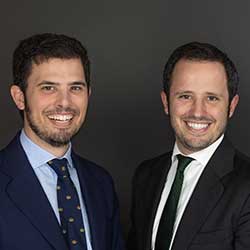 Previously recorded Description: Achieving long-term success in complex restorative dentistry requires a foundation of periodontal health. This presentation will review the critical synergy between prosthodontics and periodontics, demonstrating how interdisciplinary collaboration is essential for functional and aesthetic results. Using clinical case examples, will be illustrated the management of challenging scenarios, including anterior implant restorations and the sequencing of surgical and restorative interventions. Attendees will review how to optimize communication between specialists to manage biologic principles and stable results. Upon completion of this presentation, participants should be able to: 1) Identify key risk factors that need an interdisciplinary perio-prosthetic treatment plan. 2) Explain the rationale of treatment sequencing for complex cases. 3) Describe clinical techniques for managing the soft-tissue-prosthetic interface. Alvaro Blasi, DDS, CDT, PhD Alvaro Blasi, DDS, CDT, is an American Board-Certified Prosthodontist and a Certified Dental Technician. He graduated from the prosthodontics program at Augusta University. He was selected for a 1-year Esthetic and Implant Fellowship at the Goldstein Center at Augusta University. He received his dental degree from the International University of Catalonia in Barcelona, Spain. He is an Adjunct Assistant Professor at Augusta University Dental College of Georgia in the Oral Rehabilitation Department and Faculty at the International University of Catalonia in Barcelona, Spain. He is editor in chief of Quintessence tecnica dental journal. He has published several articles in international journals on topics of interdisciplinary treatments, esthetics and implants. Dr. Blasi lectures at a national and international level in the field of Prosthodontics. His main areas of interest are perio-ortho-pros treatments, esthetics and occlusion and implant restorations. He maintains a private practice in Barcelona Spain, at Blasi Clinic. Gonzalo Blasi-Beriain, DDS, MS, PhD Dr. Gonzalo Blasi is a diplomate of the American Board of Periodontology. He graduated from dental school at the International University of Catalonia and later earned a Ph.D. from the same institution in 2024. He expanded his expertise by obtaining a certificate in periodontology and implant dentistry, along with a Master of Science in oral biology, from the University of Maryland Baltimore School of Dentistry. Continuing his postgraduate education at UMB, Dr. Blasi completed a Fellowship in the Implant Prosthodontics Program. His academic excellence was recognized in 2016 when he received the prestigious Richard Lazzara Fellowship Award from the American Academy of Periodontology Foundation. Currently, Dr. Blasi serves as a visiting professor in the Department of Periodontics at UMB and as a program co-director at UIC. He also maintains a private practice in Barcelona at BLASI Dental Clinic. Dr. Blasi has disclosed the following financial relationships: Speaker, Honoraria - BioHorizons Relevant literature for further information: Ricardo Palacios-Bañuelos, María José Zilleruelo-Pozo, Ludovica Oreglia, Lory Abrahamian, Alvaro Blasi, Prosthetic and soft tissue considerations around anterior maxillary implants, Dentistry Review, Volume 4, Issue 2.
 -
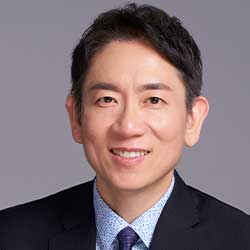 Recorded on October 23rd, 2025 Description: Crestal sinus elevation has become more and more popular along with a variety of techniques and devices. This presentation will present modified protocols and techniques for maximizing crestal sinus elevation. With the aids from proper instruments, devices and techniques, optimal crestal sinus elevation will be achieved. New protocols for managing sinus septa and slopes as well as the technique to repair Schneiderian membrane perforation upon crestal approach will also be demonstrated. Upon completion of this presentation, participants should be able to: 1) Discuss the indications and contraindication for the sinus elevation from different approaches. 2) Describe different techniques for crestal sinus elevation. 3) Explain clinical decisions for adopting and choosing suitable techniques. 4) Describe the membrane repairing technique via crestal approach. Jerry Lin, DDS, DMSc Dr. Jerry C. Lin received his certificate in periodontology and Doctor of Medical Science in Oral Biology from the Harvard School of Dental Medicine. He is a board certified and Diplomate of the American Board of Periodontology. Dr. Lin is a lecturer at the Harvard School of Dental Medicine, an assistant professor at the Taipei Medical University and a clinical instructor at the National Taiwan University Hospital. Dr. Lin has been involved in leading the periodontal literature review course at the National Taiwan University since 2007. He is the past president of the Academy of Dental Implantology, ROC and past vice president of Taipei Dental Association. Dr. Lin is the founder and director of the Institute for Advanced Dental Education (iADE) where advanced courses in comprehensive periodontics and implant dentistry have been offered since 2007. In addition to his commitment to the dental education, Dr. Lin has an ongoing career path as a periodontist in his own private practice in Taipei. Dr. Lin has indicated the following relevant financial relationships: Speaker - Osstem, Waterlase, Densply Sirona, Straumann Received honoraria - Osstem, Waterlase, Densply Sirona, Straumann, Purgo Employment - Purgo Relevant literature for further information: Lin JC, Chang WJ, Nevins M, Kim DM. Incidence of Sinus Membrane Perforation Using Two Types of Implant Drills: An Ex Vivo Animal Study. Int J Periodontics Restorative Dent. 2022 Jul-Aug;42(4):479-485. doi: 10.11607/prd.6111. PMID: 35830311. Cho S, Min EJ, Hwa S, Lee H, Ko Y, Park JB. Crestal approach for maxillary sinus augmentation in individuals with limited alveolar bone height: An observational study. Medicine (Baltimore). 2024 Oct 25;103(43):e40331. doi: 10.1097/MD.0000000000040331. PMID: 39470487; PMCID: PMC11521029. Garbacea A, Lozada JL, Church CA, Al-Ardah AJ, Seiberling KA, Naylor WP, Chen JW. The incidence of maxillary sinus membrane perforation during endoscopically assessed crestal sinus floor elevation: a pilot study. J Oral Implantol. 2012 Aug;38(4):345-59. doi: 10.1563/AAID-JOI-D-12-00083. PMID: 22913307.
 -
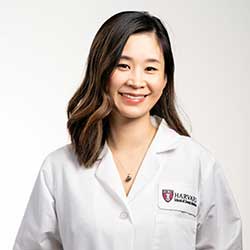 Recorded on February 9th, 2026 Description: The workflow of full-arch implant rehabilitation has rapidly evolved from traditional analog techniques to a wide range of digital and hybrid approaches, each with its own advantages, limitations, and clinical considerations. This presentation will guide clinicians through the major workflows across each stage of full-arch treatment and outline a practical decision-making process for selecting the most appropriate approach based on treatment planning, patient factors, and clinical setup. Drawing on evidence-based principles and real-world clinical experience, Dr. Sun will highlight the key elements that drive predictable outcomes, including restorative space evaluation, digital record accuracy, conversion protocols, and material selection. Attendees will gain a clear, actionable framework to confidently choose and implement the optimal pathway and workflow for full-arch implant therapy. Upon completion of this presentation, participants should be able to: 1) Identify the key patient, surgical, and prosthetic factors that guide pathway and workflow selection in full-arch implant rehabilitation. 2) Compare the advantages, limitations, and indications of common full-arch workflows. 3) Apply a structured decision-making framework to select and execute the optimal full-arch pathway and workflow in full-arch implant rehabilitation. Jie Sun, DMD, MMSc Dr. Jie Sun is a board-certified prosthodontist who earned her DMD, Master of Medical Science, and Prosthodontics specialty certificate from Harvard School of Dental Medicine. She currently serves as the Clinical Director of Clear Choice Dental Implant Center in Quincy, Massachusetts, where she specializes in implant, aesthetic, and reconstructive dentistry. A distinguished clinician, educator, and speaker, Dr. sun is also a part-time faculty at Harvard and lectures regularly at both local and national meetings, with publications in peer-reviewed journals. Her clinical interest focus on integrating 3D printing and artificial intelligence into clinical workflows to enhance patient care. Dr. Sun is a Fellow of the Greater New York Academy of Prosthodontics and International Congress of Oral Implantologists. She has received numerous honors, including the Massachusetts "10 Under Ten" Award in 2022 and has been recognized as a Boston Top Dentist since 2021. Actively engaged in professional leadership, Dr. Sun currently serves as President of the Harvard Chapter of Omicron Kappa Upsilon National Dental Honor Society and as Assistant Director of Member Engagement for the American Association of Women Dentists. Dr. Sun has indicated the following relevant financial relationships: Speaker – Clear Choice Relevant literature for further information: Lin JC, Chang WJ, Nevins M, Kim DM. Incidence of Sinus Membrane Perforation Using Two Types of Implant Drills: An Ex Vivo Animal Study. Int J Periodontics Restorative Dent. 2022 Jul-Aug;42(4):479-485. doi: 10.11607/prd.6111. PMID: 35830311. Cho S, Min EJ, Hwa S, Lee H, Ko Y, Park JB. Crestal approach for maxillary sinus augmentation in individuals with limited alveolar bone height: An observational study. Medicine (Baltimore). 2024 Oct 25;103(43):e40331. doi: 10.1097/MD.0000000000040331. PMID: 39470487; PMCID: PMC11521029. Garbacea A, Lozada JL, Church CA, Al-Ardah AJ, Seiberling KA, Naylor WP, Chen JW. The incidence of maxillary sinus membrane perforation during endoscopically assessed crestal sinus floor elevation: a pilot study. J Oral Implantol. 2012 Aug;38(4):345-59. doi: 10.1563/AAID-JOI-D-12-00083. PMID: 22913307.
 -
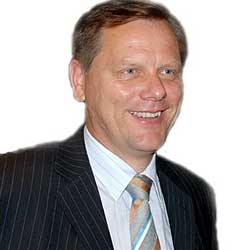 Recorded on April 21st, 2026 Description: This presentation will explore the most reliable etiological factors of Inferior Alveolar Nerve (IAN) injury, such as IAN iatrogenic injury during local anesthesia, associated with dental implantology and anatomical traps. Diagnostic methods of IAN sensory function assessment and nerve injury management will be discussed along with diagnostic and treatment protocol. This presentation will focus on the most common etiological factors of IAN trauma: iatrogenic injury to the IAN during local anesthesia, dental implant-related injury, and anatomical traps. Diagnostic methods for assessing IAN sensory function and managing nerve injury will be discussed. The IANIDIS diagnostic and treatment protocol will be presented. Upon completion of this presentation, participants should be able to: 1) Identify etiological and risk factors for IAN injury. 2) Describe diagnostic methods for assessing IAN sensory function. 3) Explain how to manage an IAN injury. Gintaras Juodžbalys DDS, MS, PhD Gintaras Juodzbalys, DMD, MS, PhD, graduated from Kaunas University of Medicine in 1983. He is a general dentist and oral surgeon with a private practice in Kaunas, Lithuania. At the University of Kaunas, he served as an Associate Profess and Professor from 2006. He is currently is a Professor at the Department of Maxillofacial Surgery at the Lithuanian University of Health Sciences. He was as founder and chair of international scientific project “Baltic Compass”. Past President of Baltic Osseointegration Academy; head of Dental Implant Centre “Stilus Optimus”; member of Editorial staff of scientific journal “Stomatologija - Baltic Dental and Maxillofacial Journal”; founder and Editor-in-Chief of Journal of Oral & Maxillofacial Research. He is Chairman of Faculty Council and member of Scientific Board of Odontology at Lithuanian University of Health Sciences. He has been lecturing in 84 national/international scientific meetings as an invited or keynote speaker, has published 177 publications. His research interests primarily focus on oral implantology and tissue engineering. He is an active organizer of dental implantology specialty development in Baltic Countries. Dr. Juodžbalys has indicated he has no relevant financial information to disclose. Relevant literature for further information: Kämmerer PW, Heimes D, Hartmann A, Kesting M, Khoury F, Schiegnitz E, Thiem DGE, Wiltfang J, Al-Nawas B, Kämmerer W. Clinical insights into traumatic injury of the inferior alveolar and lingual nerves: a comprehensive approach from diagnosis to therapeutic interventions. Clin Oral Investig. 2024 Mar 15;28(4):216. doi: 10.1007/s00784-024-05615-4. PMID: 38488908; PMCID: PMC10942925. Han J, Han JJ. Risk factors for inferior alveolar nerve injury associated with implant surgery: An observational study. J Dent Sci. 2025 Jan;20(1):270-277. doi: 10.1016/j.jds.2024.07.025. Epub 2024 Aug 8. PMID: 39873043; PMCID: PMC11762662. Shavit I, Juodzbalys G. Inferior alveolar nerve injuries following implant placement - importance of early diagnosis and treatment: a systematic review. J Oral Maxillofac Res. 2014 Dec 29;5(4):e2. doi: 10.5037/jomr.2014.5402. PMID: 25635209; PMCID: PMC4306320. Juodzbalys G, Wang HL, Sabalys G, Sidlauskas A, Galindo-Moreno P. Inferior alveolar nerve injury associated with implant surgery. Clin Oral Implants Res. 2013 Feb;24(2):183-90. doi: 10.1111/j.1600-0501.2011.02314.x. Epub 2011 Nov 1. PMID: 22092662. Sarikov R, Juodzbalys G. Inferior alveolar nerve injury after mandibular third molar extraction: a literature review. J Oral Maxillofac Res. 2014 Dec 29;5(4):e1. doi: 10.5037/jomr.2014.5401. PMID: 25635208; PMCID: PMC4306319.
 -
 Recorded on April 8th, 2026 Description: Managing alveolar bone defects remains a complex therapeutic challenge. Bone graft surgery often has high rates of reintervention, leading to increased healthcare costs. Despite progress in technical and clinical aspects over recent years, various factors such as the patient's age, comorbidities, systemic illnesses, defect location, and the surgeon's experience can affect clinical outcomes. Over the past 20 years, there has been a major advance in three-dimensional (3D) printing. This innovative technology allows for creating final parts directly from 3D model data through a layer-by-layer process. It has significantly impacted bone defect treatment by enabling the production of custom therapies with highly porous, 3D-printed implants specifically designed for each patient's needs. The main goal of this conference is to showcase significant progress in developing bone scaffolds through additive manufacturing methods. These scaffolds are essential in offering environmentally sustainable solutions for various medical and dental applications. Specifically, the treatment of alveolar ridge deficiency with 3 to 4 years of follow-up will be presented and discussed based on the current knowledge and limitations of bone graft reconstructions. Upon completion of this presentation, participants should be able to: 1) Identify explicit methods of treatment planning and coordination between team members. 2) Select and design prostheses for complex treatment scenarios. 3) Discuss tangible methods of communication and involvement with the dental laboratory. Jamil Shibli, DDS, MS, PhD Jamil Shibli is a Professor in the Faculty of Dentistry and serves as the Director of the Department of Periodontology and Oral Implantology at the Dental Research Division of Guarulhos University and Faculdades Israelitas Albert Einstein in Sao Paulo, Brazil. Professor Shibli's research focuses on evaluating therapeutics for peri-implant infections and regenerating atrophic jaws with tissue engineering / 3-D printing technology. Dr. Shibli conducts transdisciplinary randomized clinical trials in collaboration with expert teams from local and international backgrounds. He is the author of numerous book chapters, and his manuscripts have been published in peer-reviewed dentistry and medical publications. Dr. Shibli has indicated the following relevant financial information to disclose: Plenum Bioengenharia: received honorarium, employed/consulted, speaker, performed research ITI Straumann: performed research Relevant literature for further information: Ivanovski S, Staples R, Arora H, Vaquette C, Alayan J. Alveolar bone regeneration using a 3D-printed patient-specific resorbable scaffold for dental implant placement: A case report. Clin Oral Implants Res. 2024 Dec;35(12):1655-1668. doi: 10.1111/clr.14340. Epub 2024 Aug 7. Shibli JA, Nagay BE, Suárez LJ, Urdániga Hung C, Bertolini M, Barão VAR, Souza JGS. Bone Tissue Engineering Using Osteogenic Cells: From the Bench to the Clinical Application. Tissue Eng Part C Methods. 2022 May;28(5):179-192. doi: 10.1089/ten.TEC.2022.0021. Latimer JM, Maekawa S, Yao Y, Wu DT, Chen M, Giannobile WV. Regenerative Medicine Technologies to Treat Dental, Oral, and Craniofacial Defects. Front Bioeng Biotechnol. 2021 Aug 6;9:704048. doi: 10.3389/fbioe.2021.704048.
 -
 Recorded on May 14th, 2026 Description: This presentation examines the integration of facial scanning into digital workflows in implant dentistry, with a focus on improving prosthetic accuracy in complete arch rehabilitations. Emphasis will be placed on the use of stable extraoral reference points—particularly the nasal region—to enhance alignment and superimposition of digital datasets, as well as the role of facial scanning in esthetic treatment planning. Clinical protocols will demonstrate how combining intraoral and facial scan data, using the nasal region as a reference landmark, can improve workflow precision and efficiency. Attendees will gain practical insight into achieving more predictable alignment and consistent outcomes in implant prosthodontics. Upon completion of this presentation, participants should be able to: 1) Identify key components of digital workflows that impact prosthetic accuracy in implant dentistry. 2) Explain the role of facial scanning, particularly the nasal region, as a stable reference for dataset alignment. 3) Evaluate techniques for integrating intraoral and facial scan data to achieve accurate digital superimposition. 4) Describe clinical strategies to improve accuracy, efficiency, and predictability in complete arch implant restorations using facially guided workflows. Rami Salloum, DDS Dr. Rami Salloum practices in Bethlehem, Pennsylvania. He serves as attending faculty at Lehigh Valley Health Network and completed a master’s degree in soft tissue management at the University of Bologna. His clinical and research interests focus on digital workflows in implant prosthodontics, particularly complete arch rehabilitation and biologically driven outcomes. Dr. Salloum has authored peer-reviewed publications and has been an active contributor to the Academy of Osseointegration, presenting over the past four years in the Clinical Innovations and e-Poster sessions. Dr. Salloum has indicated he has no relevant financial information to disclose. Relevant literature for further information: Salloum R. Revolutionizing dentistry: Exploring the potential of facial scanners for precise treatment planning and enhanced patient outcomes. The Journal of Prosthetic Dentistry. 2024 Jul 1;132(1):1-5 Salloum R. Expanding intraoral scanning capabilities: The role of nasal capture in long-term dental superimposition. The Journal of Prosthetic Dentistry. 2025 Jul 1;134(1):1-4. Salloum R. Rapid Digital Conversion 2.0: A cast-less workflow for complete arch implant-supported restorations. The Journal of Prosthetic Dentistry. 2025 Dec 2.
 -
 Recorded on May 7th, 2026 Description: Most dental professionals understand that most of their patients possess a "dual bite". However, dental schools today teach the students to treat their patients to the "habitual bite". As an orthodontist, I have always wanted to treat orthodontic or TMD patients to one balanced and stable bite. To do so, I needed to learn as much as I could about how a proper bite functions as well as what causes bites to break down. This presentation should help dentists and dental specialists understand one of the most detrimental structural causes for breakdown in our patients -- the fulcrum effect. Upon completion of this presentation, participants should be able to: 1) Identify which condylar positions are created by the fulcrum effect. 2) Explain how a CBCT scan taken in maximum intercuspation can become a "functional radiograph". 3) Discuss the hidden vertical and anterior-posterior discrepancies in a large percentage of our patients. Robert Kaspers, DDS, MS Dr. Bob Kaspers graduated from Northwestern University in 1977, receiving a BS in Biology. He received his DDS at the University of Michigan Dental School in 1981. He received his orthodontic training at Northwestern University Orthodontic program in 1983. As an adjunct professor at the University of Detroit-Mercy orthodontic program, he worked with residents on research projects pertaining to condylar position. Currently he owns private orthodontic and TMD practice in Northbrook, Illinois. Dr. Kaspers has indicated the following relevant financial information to disclose: BiteFX - Speaker Relevant literature for further information: Ikeda, Kazumi and Akira Kawamura. "Assessment of Optimum Condylar Position with Limited Cone-Beam Computed Tomography." AJO-DO 135.4 (2009): 495-501. Cordray FE. Three-dimensional analysis of models articulated in the seated condylar position from a deprogrammed asymptomatic population: a prospective study. Part 1. Am J Orthod Dentofacial Orthop. 2006: 129:619-630. Kaspers RL. Five Condylar Positions taken in Centric Occlusion with Cone Beam Volumetric Tomography can help diagnose and treatment plan any orthodontic, temporomandibular dysfunction, or restorative patient. Library of Congress Copyright Office. Reg No./Date: TXu001696964/ 2010-05-28.
 -
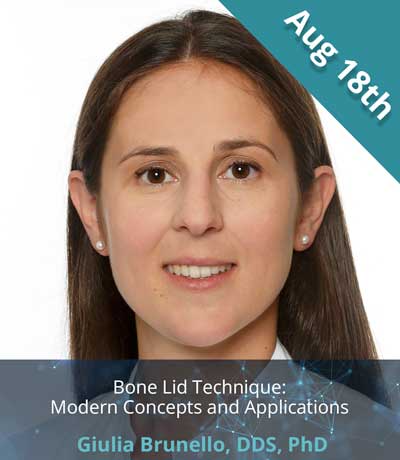 Join us on August 18th, 2026 Description: The bone lid technique involves the creation of a bony window that is temporarily removed to access the surgical site and then accurately repositioned at the end of the procedure. Its primary aims are to provide optimal visualization of the operative field, preserve bone that would otherwise be sacrificed with more invasive approaches, and promote favorable healing conditions. In implant dentistry, this technique is particularly indicated for the retrieval of displaced implants within the maxillary sinus and for bone preservation during the removal of impacted teeth or pathological lesions, where maintaining native bone architecture is essential. The technique has evolved with the introduction of piezoelectric surgery, which enables highly controlled and precise osteotomies while minimizing trauma to adjacent soft tissues. More recently, the integration of computer-guided planning has further refined the approach by enabling the design of accurate and reproducible cutting trajectories. Collectively, these advancements have improved surgical predictability and facilitated the precise repositioning of the bony window. Upon completion of this presentation, participants should be able to: 1) Discuss the history of piezosurgery in dentistry. 2) Explain the evolution of the bone lid technique. 3) Describe the role of computer-guided osteotomy in the bone lid technique. Giulia Brunello, DDS, PhD Dr. Giulia Brunello graduated in dentistry in 2011 from the University of Padova (Italy), where she also completed a 2-year Master in Implant Dentistry and obtained in 2020 her PhD at the PhD School in Mechatronics and Product Innovation Engineering. In 2017-2018 she was an ITI scholar in at Queen Mary University of London. In March 2021 she joined the Department of Oral Surgery of the University of Düsseldorf as a full-time post-doc researcher, where she received her Habilitation and subsequently the title of Privatdozentin. Since 2024 she also has a project-related contract at Charité – Universitätsmedizin Berlin. Dr. Brunello is committee member of several scientific societies including AO, EAO and IADR. She is author of more than 70 publications in international peer-reviewed journals and has been appointed EiC of the journal Clinical and Experimental Dental Research. In June 2025 she actively participated in the 1st Global Consensus for Clinical Guidelines in implant dentistry, shaping practice for the rehabilitation of the edentulous maxilla. Dr. Brunello has indicated she has no relevant financial information to disclose. Relevant literature for further information: Sivolella S, Brunello G, Fincato A, De Stavola L. Computer-Guided Bone Lid Technique for Surgical Extraction of Deeply Impacted Mandibular Third Molars: A Technical Report. Appl. Sci. 2024, 14, 3580. doi: 10.3390/app14093580 Sivolella S, Brunello G, Panda S, Schiavon L, Khoury F, Del Fabbro M. The Bone Lid Technique in Oral and Maxillofacial Surgery: A Scoping Review. J Clin Med. 2022;11(13):3667. doi: 10.3390/jcm11133667. Khoury F. The bony lid approach in pre-implant and implant surgery: a prospective study. Eur J Oral Implantol. 2013 Winter;6(4):375-84.
HTML Button Generator -
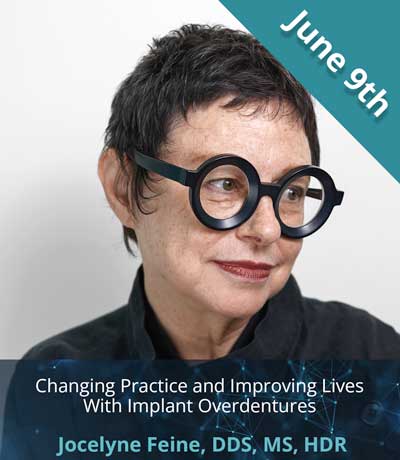 Join us on June 9th, 2026 Description: In this talk, Professor Feine will describe the steps leading up to and following the McGill Consensus Statement. In a series of stories, the development of evidence for minimal numbers and types of implants will be shared, along with what has been developed following the Consensus Statement, as well as what is now being tested to improve prosthetic success and quality of life for those with complete mandibular tooth loss and limited income. Upon completion of this presentation, participants should be able to: 1) Describe the ways in which clinical implant research results reach and influence dental practitioners. 2) Explain the reasons why older patients refuse implant treatment. 3) Provide edentulous patients with convincing evidence to support recommendations for implant prosthetics. Jocelyne Feine, DDS, MS, HDR Jocelyne Feine is Professor Emerita from the Faculty of Dental Medicine and Oral Health Sciences, McGill University, Montréal, Canada and the Editor-In-Chief of the Journal of Dental Research Clinical and Translational (JDR CTR). Professor Feine’s research interests involve the assessment of therapies and technologies intended to improve function and life quality in populations with chronic orofacial conditions, such as tooth loss and pain. In 2002, she spearheaded the McGill Consensus Statement on Overdentures: Mandibular Two-Implant Overdentures as First Choice Standard of Care for Edentulous Patients. This publication resulted in the worldwide uptake of 2-implant overdentures for people with edentulous mandibles. She is author of numerous book chapters, and her manuscripts have been published in peer-reviewed dental and medical journals. Dr. Feine has indicated she has no relevant financial information to disclose. Relevant literature for further information: Feine JS, Carlsson GE, Awad MA, Chehade A, Duncan WJ, Gizani S, Head T, Lund JP, MacEntee M, Mericske-Stern R, Mojon P, Morais J, Naert I, Payne AG, Penrod J, Stoker GT, Tawse-Smith A, Taylor TD, Thomason JM, Thomson WM, Wismeijer D. The McGill consensus statement on overdentures. Mandibular two-implant overdentures as first choice standard of care for edentulous patients. Montreal, Quebec, May 24-25, 2002. Int J Oral Maxillofac Implants. 2002 Jul-Aug;17(4):601-2. PMID: 12182304. Feine J, Abou-Ayash S, Al Mardini M, de Santana RB, Bjelke-Holtermann T, Bornstein MM, Braegger U, Cao O, Cordaro L, Eycken D, Fillion M, Gebran G, Huynh-Ba G, Joda T, Levine R, Mattheos N, Oates TW, Abd-Ul-Salam H, Santosa R, Shahdad S, Storelli S, Sykaras N, Treviño Santos A, Stephanie Webersberger U, Williams MAH, Wilson TG Jr, Wismeijer D, Wittneben JG, Yao CJ, Zubiria JPV. Group 3 ITI Consensus Report: Patient-reported outcome measures associated with implant dentistry. Clin Oral Implants Res. 2018 Oct;29 Suppl 16:270-275. doi: 10.1111/clr.13299. PMID: 30328187. de Souza RF, Jabbar AA, Jafarpour D, Bedos C, Esfandiari S, Makhoul NM, Dagdeviren D, Abi Nader S, Feine JS. Single-Implant Overdentures Retained by a Novel Attachment: A Mixed Methods Crossover Randomized Clinical Trial. JDR Clin Trans Res. 2024 Jan;9(1):27-41. doi: 10.1177/23800844221124083. Epub 2022 Sep 20. PMID: 36127832; PMCID: PMC10725123.
HTML Button Generator -
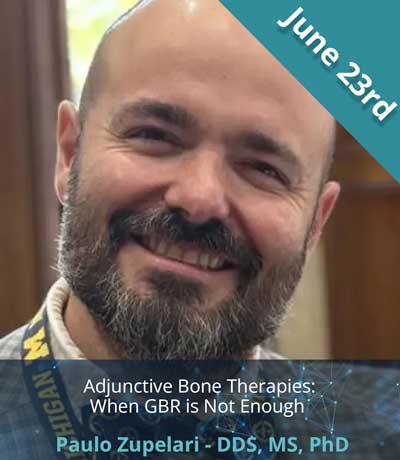 Join us on June 23rd, 2026 Description: This lecture will explore advanced approaches for alveolar bone reconstruction and site development in preparation for future implant rehabilitation. Aside the classic GBR, and the complex ridge reconstructions with flaps, there are various procedures that can enhance implant site development and complex alveolar defects improving the predictability of implant placement in compromised sites. Upon completion of this presentation, participants should be able to: 1) Recognize clinical situations in which conventional GBR may be insufficient for predictable alveolar reconstruction. 2) Compare indications, advantages, limitations, and surgical considerations of adjunctive bone reconstruction techniques, including reinforced membranes, block grafts, tenting approaches, and split-crest procedures. 3) Apply evidence-based decision-making principles to select appropriate reconstructive strategies for implant site development and complex alveolar defects. Paulo Zupelari – DDS, MS, PhD Dr. Paulo Zupelari, DDS, MS, PhD, is a Clinical Assistant Professor of Oral and Maxillofacial Surgery at the University of Michigan School of Dentistry, where he serves as Clinic Director and Director of Predoctoral Oral Surgery. Originally trained in Brazil, he earned DDS, MS, and PhD degrees and completed specialty certification in Oral and Maxillofacial Surgery prior to completing his 2-year advanced fellowship training in TMJ and Orthognathic Surgery at the University of Michigan. His clinical practice and academic work focus on alveolar bone reconstruction, implant therapy, orthognathic and temporomandibular joint surgery, and contemporary surgical education. Dr. Zupelari is actively engaged in teaching, mentorship, and research, with contributions that include peer-reviewed publications, book chapters, funded investigations, and invited presentations across the United States and internationally. He is dedicated to advancing oral and maxillofacial surgery through innovation, education, and evidence-based patient care. Dr. Zupelari has indicated she has no relevant financial information to disclose. Relevant literature for further information: Yu SH, Wang HL. An Updated Decision Tree for Horizontal Ridge Augmentation: A Narrative Review. Periodontology / Implant Dentistry review (2022) PMID: 35472110 DOI: 10.11607/prd.5031 Abu-Mostafa NA et al. The Outcomes of Vertical Alveolar Bone Augmentation by Guided Bone Regeneration with Titanium Mesh: A Systematic Review. J Contemp Dent Pract (2022) PMID: 37125527 DOI: 10.5005/jp-journals-10024-3444 Aloy-Prósper A et al. Intraoral Onlay Block Bone Grafts versus Cortical Tenting Technique on Alveolar Ridge Augmentations: A Systematic Review. Med Oral Patol Oral Cir Bucal (2022) PMID available through PubMed / PMC article DOI: 10.4317/medoral.25169
HTML Button Generator -
 Dr. Paul Homoly, CSP Successful high-dollar case acceptance requires fresh thinking. Relying on worn-out case presentation techniques inconsistently provides the outcomes you hope for. Mastering High-Dollar Case Acceptance reveals the nuances among complex care patients that, when discovered and discussed, give patients the experience of being understood. For most patients, complex dentistry represents a significant lifestyle passage that dentists and teams must be aware of and acknowledge. For patients, complex dentistry is personal; they want it to be personal to us too. Upon completion of this presentation, participants should be able to: 1) Identify the behavioral distinctions between modest versus complex care patients. 2) Recognizing patients’ readiness for complex care. 3) Presenting complex care without overwhelming patients or losing them to sticker shock. Recorded – Apirl 17, 2024
 -
 Torki, BDS, MSc In the past decade, efforts have been made to find the best treatment for immediate implant placement and with extraction sockets. Many protocols have been proposed such as ridge preservation, custom healing abutments and immediate loading. These protocols involve multiple steps and a waste of material. In this presentation, we will talk about methods to overcome these problems and minimize treatment time with digital solutions based on biology. Upon completion of this presentation, participants should be able to: 1) Describe the role of biological principles in abutment selection. 2) Explain the implant-abutment junction and its role in marginal bone stability. 3) Evaluate different methods for immediate temporization. Recorded – May 2, 2024
 -
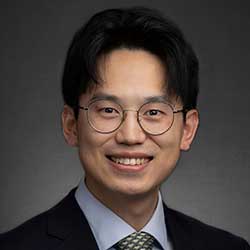 Junying Li, DDS, MS, PhD Prosthetic design is a crucial factor influencing the long-term success of implant treatments. This lecture will explore essential prosthetic considerations, with a focus on trans-mucosal contour design and its relationship to surgical techniques, abutment selection, and the restoration process. A clinical decision tree and cases utilizing a fully digital approach will be demonstrated. Upon completion of this presentation, participants should be able to: 1) Identify the types of single implant abutment. 2) Design an implant crown contour that is both biologically sound and aesthetically correct. 3) Describe the process of immediate single implant loading with digitally pre-fabricated implant crown. Recorded September 18th
 -
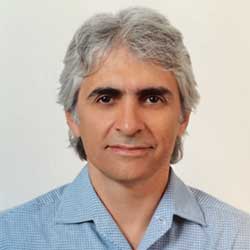 Serdar Yalçın, DDS, PhD This webinar will discuss the concept of digital implantology to perform successful and proper implant treatments in the aesthetic region. The use of basic concepts of implantology, especially from the planning outcome to the prosthetic outcome, will be reviewed. Upon completion of this presentation, participants should be able to: 1) Recommend optimal implant placement at the anterior region. 2) Create a Digital Implantology Workflow for immediate implantation and missing lateral incisors. 3) Describe the advantages and disadvantages of guided surgery. Recorded – June 12, 2024
 -
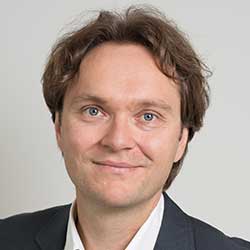 Recorded on April 9th, 2025 Description: This webinar will describe the indication, scientific background and the clinical implementation of the so-called Split Bone Block Technique (Khoury Technique). This alveolar augmentation technique is based on the use of autogenous bone transplants, which are harvested intraorally using a safe and minimally invasive protocol. A specific preparation of the autogenous bone grafts is demonstrated to increase their biological potential and accelerate their healing. In addition to stabilizing the bone grafts, their hermetic soft tissue closure using innovative flap designs is also shown. In addition to shortening patient treatment time, the grafting technique demonstrated enables predictable and long-term stable volumetric and biological tissue stability in the context of lateral and vertical alveolar ridge augmentation. The philosophy of the Split Bone Block Technique is documented in the webinar through numerous different clinical cases and surgical videos. Upon completion of this presentation, participants should be able to: 1) Select appropriate anatomical structures and instruments for safe and minimally invasive intraoral bone graft harvesting. 2) Describe the specific preparation of autogenous bone grafts to increase their biological potential, accelerate their healing and shorten patient treatment time. 3) Identify the clinical and biological factors for predictable, reproducible, volumetric and biological long-term tissue stability with autogenous bone grafts in lateral and vertical alveolar ridge augmentation. Thomas Hanser, DMD, MSc, MSc, MOM Dr. Thomas Hanser is a periodontist and oral surgeon and deputy director of the International Implant Dentistry, Periodontology and Oral Surgery Center at Schloss Schellenstein Private Clinic in Olsberg, Germany and assistant professor at the Department of Postgraduate Education at Goethe University Frankfurt, Germany. He is co-author of the multilingual Quintessence textbooks “Bone Augmentation in Oral Implantology” (2009) and “Bone and Soft Tissue Augmentation in Implantology” (2022). His scientific research results have been published in peer-reviewed journals and were awarded the William Laney Research Award of the American Academy of Osseointegration, USA, in 2017 together with his colleague Prof. Dr. Fouad Khoury. Dr. Hanser has indicated the following relevant financial relationships to disclose: Speaker and received honoraria: Dentsply Sirona and Meisinger Relevant literature for further information: (2022). Khoury Split Bone Block Grafting Technique: Biological Alveolar Bone Augmentation with Autogenous Bone . In Essential Techniques of Alveolar Bone Augmentation in Implant Dentistry, L. Tolstunov (Ed.). https://doi.org/10.1002/9781119827351.ch20 Sánchez-Sánchez J, Pickert FN, Sánchez-Labrador L, Gf Tresguerres F, Martínez-González JM, Meniz-García C. Horizontal Ridge Augmentation: A Comparison between Khoury and Urban Technique. Biology (Basel). 2021 Aug 5;10(8):749. doi: 10.3390/biology10080749. PMID: 34439981; PMCID: PMC8389589. Kovac Z, Cabov T, Blaskovic M, Morelato L. Regeneration of Horizontal Bone Defect in Edentulous Maxilla Using the Allogenic Bone-Plate Shell Technique and a Composite Bone Graft-A Case Report. Medicina (Kaunas). 2023 Mar 2;59(3):494. doi: 10.3390/medicina59030494. PMID: 36984495; PMCID: PMC10053208.
 -
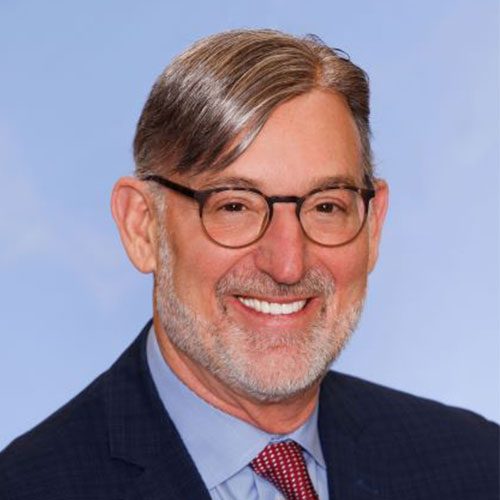
Robert Levine, DDS
This clinical, usable information- packed presentation will describe and identify 10 essential keys for performing immediate single tooth replacement of a hopeless maxillary central incisor. This treatment is considered a complex procedure and a team approach is suggested as the maxillary central incisor is seen as having the most esthetic zone failures resulting in unhappy patients. Once this occurs, restoring the lost hard and soft tissues to their original pre-surgical levels is near impossible. The updated 10 Keys checklist, if strictly followed, will provide high predictability in preventing esthetic complications and offers guidelines to ensure high success based on published studies by Dr. Levine and his clinical research group which confirm the use of the 10 Keys protocol.
Recorded February 4, 2023