-
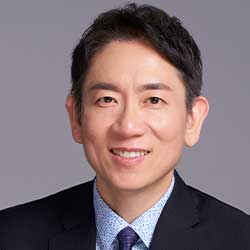 Recorded on October 23rd, 2025 Description: Crestal sinus elevation has become more and more popular along with a variety of techniques and devices. This presentation will present modified protocols and techniques for maximizing crestal sinus elevation. With the aids from proper instruments, devices and techniques, optimal crestal sinus elevation will be achieved. New protocols for managing sinus septa and slopes as well as the technique to repair Schneiderian membrane perforation upon crestal approach will also be demonstrated. Upon completion of this presentation, participants should be able to: 1) Discuss the indications and contraindication for the sinus elevation from different approaches. 2) Describe different techniques for crestal sinus elevation. 3) Explain clinical decisions for adopting and choosing suitable techniques. 4) Describe the membrane repairing technique via crestal approach. Jerry Lin, DDS, DMSc Dr. Jerry C. Lin received his certificate in periodontology and Doctor of Medical Science in Oral Biology from the Harvard School of Dental Medicine. He is a board certified and Diplomate of the American Board of Periodontology. Dr. Lin is a lecturer at the Harvard School of Dental Medicine, an assistant professor at the Taipei Medical University and a clinical instructor at the National Taiwan University Hospital. Dr. Lin has been involved in leading the periodontal literature review course at the National Taiwan University since 2007. He is the past president of the Academy of Dental Implantology, ROC and past vice president of Taipei Dental Association. Dr. Lin is the founder and director of the Institute for Advanced Dental Education (iADE) where advanced courses in comprehensive periodontics and implant dentistry have been offered since 2007. In addition to his commitment to the dental education, Dr. Lin has an ongoing career path as a periodontist in his own private practice in Taipei. Dr. Lin has indicated the following relevant financial relationships: Speaker - Osstem, Waterlase, Densply Sirona, Straumann Received honoraria - Osstem, Waterlase, Densply Sirona, Straumann, Purgo Employment - Purgo Relevant literature for further information: Lin JC, Chang WJ, Nevins M, Kim DM. Incidence of Sinus Membrane Perforation Using Two Types of Implant Drills: An Ex Vivo Animal Study. Int J Periodontics Restorative Dent. 2022 Jul-Aug;42(4):479-485. doi: 10.11607/prd.6111. PMID: 35830311. Cho S, Min EJ, Hwa S, Lee H, Ko Y, Park JB. Crestal approach for maxillary sinus augmentation in individuals with limited alveolar bone height: An observational study. Medicine (Baltimore). 2024 Oct 25;103(43):e40331. doi: 10.1097/MD.0000000000040331. PMID: 39470487; PMCID: PMC11521029. Garbacea A, Lozada JL, Church CA, Al-Ardah AJ, Seiberling KA, Naylor WP, Chen JW. The incidence of maxillary sinus membrane perforation during endoscopically assessed crestal sinus floor elevation: a pilot study. J Oral Implantol. 2012 Aug;38(4):345-59. doi: 10.1563/AAID-JOI-D-12-00083. PMID: 22913307.
 -
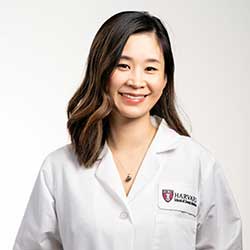 Recorded on February 9th, 2026 Description: The workflow of full-arch implant rehabilitation has rapidly evolved from traditional analog techniques to a wide range of digital and hybrid approaches, each with its own advantages, limitations, and clinical considerations. This presentation will guide clinicians through the major workflows across each stage of full-arch treatment and outline a practical decision-making process for selecting the most appropriate approach based on treatment planning, patient factors, and clinical setup. Drawing on evidence-based principles and real-world clinical experience, Dr. Sun will highlight the key elements that drive predictable outcomes, including restorative space evaluation, digital record accuracy, conversion protocols, and material selection. Attendees will gain a clear, actionable framework to confidently choose and implement the optimal pathway and workflow for full-arch implant therapy. Upon completion of this presentation, participants should be able to: 1) Identify the key patient, surgical, and prosthetic factors that guide pathway and workflow selection in full-arch implant rehabilitation. 2) Compare the advantages, limitations, and indications of common full-arch workflows. 3) Apply a structured decision-making framework to select and execute the optimal full-arch pathway and workflow in full-arch implant rehabilitation. Jie Sun, DMD, MMSc Dr. Jie Sun is a board-certified prosthodontist who earned her DMD, Master of Medical Science, and Prosthodontics specialty certificate from Harvard School of Dental Medicine. She currently serves as the Clinical Director of Clear Choice Dental Implant Center in Quincy, Massachusetts, where she specializes in implant, aesthetic, and reconstructive dentistry. A distinguished clinician, educator, and speaker, Dr. sun is also a part-time faculty at Harvard and lectures regularly at both local and national meetings, with publications in peer-reviewed journals. Her clinical interest focus on integrating 3D printing and artificial intelligence into clinical workflows to enhance patient care. Dr. Sun is a Fellow of the Greater New York Academy of Prosthodontics and International Congress of Oral Implantologists. She has received numerous honors, including the Massachusetts "10 Under Ten" Award in 2022 and has been recognized as a Boston Top Dentist since 2021. Actively engaged in professional leadership, Dr. Sun currently serves as President of the Harvard Chapter of Omicron Kappa Upsilon National Dental Honor Society and as Assistant Director of Member Engagement for the American Association of Women Dentists. Dr. Sun has indicated the following relevant financial relationships: Speaker – Clear Choice Relevant literature for further information: Lin JC, Chang WJ, Nevins M, Kim DM. Incidence of Sinus Membrane Perforation Using Two Types of Implant Drills: An Ex Vivo Animal Study. Int J Periodontics Restorative Dent. 2022 Jul-Aug;42(4):479-485. doi: 10.11607/prd.6111. PMID: 35830311. Cho S, Min EJ, Hwa S, Lee H, Ko Y, Park JB. Crestal approach for maxillary sinus augmentation in individuals with limited alveolar bone height: An observational study. Medicine (Baltimore). 2024 Oct 25;103(43):e40331. doi: 10.1097/MD.0000000000040331. PMID: 39470487; PMCID: PMC11521029. Garbacea A, Lozada JL, Church CA, Al-Ardah AJ, Seiberling KA, Naylor WP, Chen JW. The incidence of maxillary sinus membrane perforation during endoscopically assessed crestal sinus floor elevation: a pilot study. J Oral Implantol. 2012 Aug;38(4):345-59. doi: 10.1563/AAID-JOI-D-12-00083. PMID: 22913307.
 -
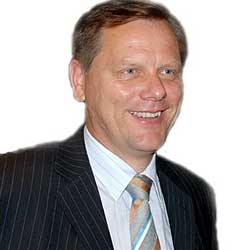 Recorded on April 21st, 2026 Description: This presentation will explore the most reliable etiological factors of Inferior Alveolar Nerve (IAN) injury, such as IAN iatrogenic injury during local anesthesia, associated with dental implantology and anatomical traps. Diagnostic methods of IAN sensory function assessment and nerve injury management will be discussed along with diagnostic and treatment protocol. This presentation will focus on the most common etiological factors of IAN trauma: iatrogenic injury to the IAN during local anesthesia, dental implant-related injury, and anatomical traps. Diagnostic methods for assessing IAN sensory function and managing nerve injury will be discussed. The IANIDIS diagnostic and treatment protocol will be presented. Upon completion of this presentation, participants should be able to: 1) Identify etiological and risk factors for IAN injury. 2) Describe diagnostic methods for assessing IAN sensory function. 3) Explain how to manage an IAN injury. Gintaras Juodžbalys DDS, MS, PhD Gintaras Juodzbalys, DMD, MS, PhD, graduated from Kaunas University of Medicine in 1983. He is a general dentist and oral surgeon with a private practice in Kaunas, Lithuania. At the University of Kaunas, he served as an Associate Profess and Professor from 2006. He is currently is a Professor at the Department of Maxillofacial Surgery at the Lithuanian University of Health Sciences. He was as founder and chair of international scientific project “Baltic Compass”. Past President of Baltic Osseointegration Academy; head of Dental Implant Centre “Stilus Optimus”; member of Editorial staff of scientific journal “Stomatologija - Baltic Dental and Maxillofacial Journal”; founder and Editor-in-Chief of Journal of Oral & Maxillofacial Research. He is Chairman of Faculty Council and member of Scientific Board of Odontology at Lithuanian University of Health Sciences. He has been lecturing in 84 national/international scientific meetings as an invited or keynote speaker, has published 177 publications. His research interests primarily focus on oral implantology and tissue engineering. He is an active organizer of dental implantology specialty development in Baltic Countries. Dr. Juodžbalys has indicated he has no relevant financial information to disclose. Relevant literature for further information: Kämmerer PW, Heimes D, Hartmann A, Kesting M, Khoury F, Schiegnitz E, Thiem DGE, Wiltfang J, Al-Nawas B, Kämmerer W. Clinical insights into traumatic injury of the inferior alveolar and lingual nerves: a comprehensive approach from diagnosis to therapeutic interventions. Clin Oral Investig. 2024 Mar 15;28(4):216. doi: 10.1007/s00784-024-05615-4. PMID: 38488908; PMCID: PMC10942925. Han J, Han JJ. Risk factors for inferior alveolar nerve injury associated with implant surgery: An observational study. J Dent Sci. 2025 Jan;20(1):270-277. doi: 10.1016/j.jds.2024.07.025. Epub 2024 Aug 8. PMID: 39873043; PMCID: PMC11762662. Shavit I, Juodzbalys G. Inferior alveolar nerve injuries following implant placement - importance of early diagnosis and treatment: a systematic review. J Oral Maxillofac Res. 2014 Dec 29;5(4):e2. doi: 10.5037/jomr.2014.5402. PMID: 25635209; PMCID: PMC4306320. Juodzbalys G, Wang HL, Sabalys G, Sidlauskas A, Galindo-Moreno P. Inferior alveolar nerve injury associated with implant surgery. Clin Oral Implants Res. 2013 Feb;24(2):183-90. doi: 10.1111/j.1600-0501.2011.02314.x. Epub 2011 Nov 1. PMID: 22092662. Sarikov R, Juodzbalys G. Inferior alveolar nerve injury after mandibular third molar extraction: a literature review. J Oral Maxillofac Res. 2014 Dec 29;5(4):e1. doi: 10.5037/jomr.2014.5401. PMID: 25635208; PMCID: PMC4306319.
 -
 Recorded on April 8th, 2026 Description: Managing alveolar bone defects remains a complex therapeutic challenge. Bone graft surgery often has high rates of reintervention, leading to increased healthcare costs. Despite progress in technical and clinical aspects over recent years, various factors such as the patient's age, comorbidities, systemic illnesses, defect location, and the surgeon's experience can affect clinical outcomes. Over the past 20 years, there has been a major advance in three-dimensional (3D) printing. This innovative technology allows for creating final parts directly from 3D model data through a layer-by-layer process. It has significantly impacted bone defect treatment by enabling the production of custom therapies with highly porous, 3D-printed implants specifically designed for each patient's needs. The main goal of this conference is to showcase significant progress in developing bone scaffolds through additive manufacturing methods. These scaffolds are essential in offering environmentally sustainable solutions for various medical and dental applications. Specifically, the treatment of alveolar ridge deficiency with 3 to 4 years of follow-up will be presented and discussed based on the current knowledge and limitations of bone graft reconstructions. Upon completion of this presentation, participants should be able to: 1) Identify explicit methods of treatment planning and coordination between team members. 2) Select and design prostheses for complex treatment scenarios. 3) Discuss tangible methods of communication and involvement with the dental laboratory. Jamil Shibli, DDS, MS, PhD Jamil Shibli is a Professor in the Faculty of Dentistry and serves as the Director of the Department of Periodontology and Oral Implantology at the Dental Research Division of Guarulhos University and Faculdades Israelitas Albert Einstein in Sao Paulo, Brazil. Professor Shibli's research focuses on evaluating therapeutics for peri-implant infections and regenerating atrophic jaws with tissue engineering / 3-D printing technology. Dr. Shibli conducts transdisciplinary randomized clinical trials in collaboration with expert teams from local and international backgrounds. He is the author of numerous book chapters, and his manuscripts have been published in peer-reviewed dentistry and medical publications. Dr. Shibli has indicated the following relevant financial information to disclose: Plenum Bioengenharia: received honorarium, employed/consulted, speaker, performed research ITI Straumann: performed research Relevant literature for further information: Ivanovski S, Staples R, Arora H, Vaquette C, Alayan J. Alveolar bone regeneration using a 3D-printed patient-specific resorbable scaffold for dental implant placement: A case report. Clin Oral Implants Res. 2024 Dec;35(12):1655-1668. doi: 10.1111/clr.14340. Epub 2024 Aug 7. Shibli JA, Nagay BE, Suárez LJ, Urdániga Hung C, Bertolini M, Barão VAR, Souza JGS. Bone Tissue Engineering Using Osteogenic Cells: From the Bench to the Clinical Application. Tissue Eng Part C Methods. 2022 May;28(5):179-192. doi: 10.1089/ten.TEC.2022.0021. Latimer JM, Maekawa S, Yao Y, Wu DT, Chen M, Giannobile WV. Regenerative Medicine Technologies to Treat Dental, Oral, and Craniofacial Defects. Front Bioeng Biotechnol. 2021 Aug 6;9:704048. doi: 10.3389/fbioe.2021.704048.
 -
 Recorded on May 14th, 2026 Description: This presentation examines the integration of facial scanning into digital workflows in implant dentistry, with a focus on improving prosthetic accuracy in complete arch rehabilitations. Emphasis will be placed on the use of stable extraoral reference points—particularly the nasal region—to enhance alignment and superimposition of digital datasets, as well as the role of facial scanning in esthetic treatment planning. Clinical protocols will demonstrate how combining intraoral and facial scan data, using the nasal region as a reference landmark, can improve workflow precision and efficiency. Attendees will gain practical insight into achieving more predictable alignment and consistent outcomes in implant prosthodontics. Upon completion of this presentation, participants should be able to: 1) Identify key components of digital workflows that impact prosthetic accuracy in implant dentistry. 2) Explain the role of facial scanning, particularly the nasal region, as a stable reference for dataset alignment. 3) Evaluate techniques for integrating intraoral and facial scan data to achieve accurate digital superimposition. 4) Describe clinical strategies to improve accuracy, efficiency, and predictability in complete arch implant restorations using facially guided workflows. Rami Salloum, DDS Dr. Rami Salloum practices in Bethlehem, Pennsylvania. He serves as attending faculty at Lehigh Valley Health Network and completed a master’s degree in soft tissue management at the University of Bologna. His clinical and research interests focus on digital workflows in implant prosthodontics, particularly complete arch rehabilitation and biologically driven outcomes. Dr. Salloum has authored peer-reviewed publications and has been an active contributor to the Academy of Osseointegration, presenting over the past four years in the Clinical Innovations and e-Poster sessions. Dr. Salloum has indicated he has no relevant financial information to disclose. Relevant literature for further information: Salloum R. Revolutionizing dentistry: Exploring the potential of facial scanners for precise treatment planning and enhanced patient outcomes. The Journal of Prosthetic Dentistry. 2024 Jul 1;132(1):1-5 Salloum R. Expanding intraoral scanning capabilities: The role of nasal capture in long-term dental superimposition. The Journal of Prosthetic Dentistry. 2025 Jul 1;134(1):1-4. Salloum R. Rapid Digital Conversion 2.0: A cast-less workflow for complete arch implant-supported restorations. The Journal of Prosthetic Dentistry. 2025 Dec 2.
 -
 Recorded on May 7th, 2026 Description: Most dental professionals understand that most of their patients possess a "dual bite". However, dental schools today teach the students to treat their patients to the "habitual bite". As an orthodontist, I have always wanted to treat orthodontic or TMD patients to one balanced and stable bite. To do so, I needed to learn as much as I could about how a proper bite functions as well as what causes bites to break down. This presentation should help dentists and dental specialists understand one of the most detrimental structural causes for breakdown in our patients -- the fulcrum effect. Upon completion of this presentation, participants should be able to: 1) Identify which condylar positions are created by the fulcrum effect. 2) Explain how a CBCT scan taken in maximum intercuspation can become a "functional radiograph". 3) Discuss the hidden vertical and anterior-posterior discrepancies in a large percentage of our patients. Robert Kaspers, DDS, MS Dr. Bob Kaspers graduated from Northwestern University in 1977, receiving a BS in Biology. He received his DDS at the University of Michigan Dental School in 1981. He received his orthodontic training at Northwestern University Orthodontic program in 1983. As an adjunct professor at the University of Detroit-Mercy orthodontic program, he worked with residents on research projects pertaining to condylar position. Currently he owns private orthodontic and TMD practice in Northbrook, Illinois. Dr. Kaspers has indicated the following relevant financial information to disclose: BiteFX - Speaker Relevant literature for further information: Ikeda, Kazumi and Akira Kawamura. "Assessment of Optimum Condylar Position with Limited Cone-Beam Computed Tomography." AJO-DO 135.4 (2009): 495-501. Cordray FE. Three-dimensional analysis of models articulated in the seated condylar position from a deprogrammed asymptomatic population: a prospective study. Part 1. Am J Orthod Dentofacial Orthop. 2006: 129:619-630. Kaspers RL. Five Condylar Positions taken in Centric Occlusion with Cone Beam Volumetric Tomography can help diagnose and treatment plan any orthodontic, temporomandibular dysfunction, or restorative patient. Library of Congress Copyright Office. Reg No./Date: TXu001696964/ 2010-05-28.
 -
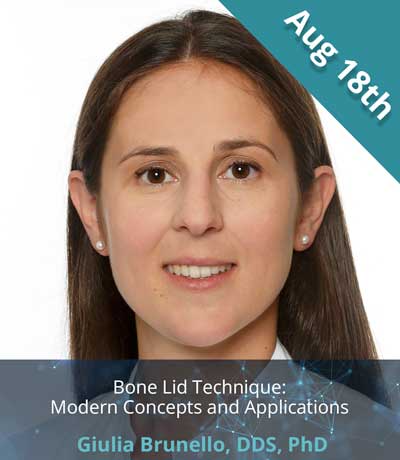 Join us on August 18th, 2026 Description: The bone lid technique involves the creation of a bony window that is temporarily removed to access the surgical site and then accurately repositioned at the end of the procedure. Its primary aims are to provide optimal visualization of the operative field, preserve bone that would otherwise be sacrificed with more invasive approaches, and promote favorable healing conditions. In implant dentistry, this technique is particularly indicated for the retrieval of displaced implants within the maxillary sinus and for bone preservation during the removal of impacted teeth or pathological lesions, where maintaining native bone architecture is essential. The technique has evolved with the introduction of piezoelectric surgery, which enables highly controlled and precise osteotomies while minimizing trauma to adjacent soft tissues. More recently, the integration of computer-guided planning has further refined the approach by enabling the design of accurate and reproducible cutting trajectories. Collectively, these advancements have improved surgical predictability and facilitated the precise repositioning of the bony window. Upon completion of this presentation, participants should be able to: 1) Discuss the history of piezosurgery in dentistry. 2) Explain the evolution of the bone lid technique. 3) Describe the role of computer-guided osteotomy in the bone lid technique. Giulia Brunello, DDS, PhD Dr. Giulia Brunello graduated in dentistry in 2011 from the University of Padova (Italy), where she also completed a 2-year Master in Implant Dentistry and obtained in 2020 her PhD at the PhD School in Mechatronics and Product Innovation Engineering. In 2017-2018 she was an ITI scholar in at Queen Mary University of London. In March 2021 she joined the Department of Oral Surgery of the University of Düsseldorf as a full-time post-doc researcher, where she received her Habilitation and subsequently the title of Privatdozentin. Since 2024 she also has a project-related contract at Charité – Universitätsmedizin Berlin. Dr. Brunello is committee member of several scientific societies including AO, EAO and IADR. She is author of more than 70 publications in international peer-reviewed journals and has been appointed EiC of the journal Clinical and Experimental Dental Research. In June 2025 she actively participated in the 1st Global Consensus for Clinical Guidelines in implant dentistry, shaping practice for the rehabilitation of the edentulous maxilla. Dr. Brunello has indicated she has no relevant financial information to disclose. Relevant literature for further information: Sivolella S, Brunello G, Fincato A, De Stavola L. Computer-Guided Bone Lid Technique for Surgical Extraction of Deeply Impacted Mandibular Third Molars: A Technical Report. Appl. Sci. 2024, 14, 3580. doi: 10.3390/app14093580 Sivolella S, Brunello G, Panda S, Schiavon L, Khoury F, Del Fabbro M. The Bone Lid Technique in Oral and Maxillofacial Surgery: A Scoping Review. J Clin Med. 2022;11(13):3667. doi: 10.3390/jcm11133667. Khoury F. The bony lid approach in pre-implant and implant surgery: a prospective study. Eur J Oral Implantol. 2013 Winter;6(4):375-84.
HTML Button Generator -
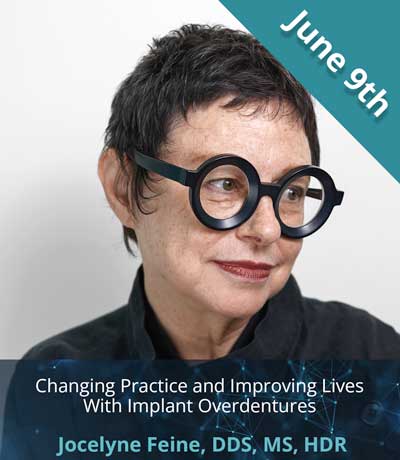 Join us on June 9th, 2026 Description: In this talk, Professor Feine will describe the steps leading up to and following the McGill Consensus Statement. In a series of stories, the development of evidence for minimal numbers and types of implants will be shared, along with what has been developed following the Consensus Statement, as well as what is now being tested to improve prosthetic success and quality of life for those with complete mandibular tooth loss and limited income. Upon completion of this presentation, participants should be able to: 1) Describe the ways in which clinical implant research results reach and influence dental practitioners. 2) Explain the reasons why older patients refuse implant treatment. 3) Provide edentulous patients with convincing evidence to support recommendations for implant prosthetics. Jocelyne Feine, DDS, MS, HDR Jocelyne Feine is Professor Emerita from the Faculty of Dental Medicine and Oral Health Sciences, McGill University, Montréal, Canada and the Editor-In-Chief of the Journal of Dental Research Clinical and Translational (JDR CTR). Professor Feine’s research interests involve the assessment of therapies and technologies intended to improve function and life quality in populations with chronic orofacial conditions, such as tooth loss and pain. In 2002, she spearheaded the McGill Consensus Statement on Overdentures: Mandibular Two-Implant Overdentures as First Choice Standard of Care for Edentulous Patients. This publication resulted in the worldwide uptake of 2-implant overdentures for people with edentulous mandibles. She is author of numerous book chapters, and her manuscripts have been published in peer-reviewed dental and medical journals. Dr. Feine has indicated she has no relevant financial information to disclose. Relevant literature for further information: Feine JS, Carlsson GE, Awad MA, Chehade A, Duncan WJ, Gizani S, Head T, Lund JP, MacEntee M, Mericske-Stern R, Mojon P, Morais J, Naert I, Payne AG, Penrod J, Stoker GT, Tawse-Smith A, Taylor TD, Thomason JM, Thomson WM, Wismeijer D. The McGill consensus statement on overdentures. Mandibular two-implant overdentures as first choice standard of care for edentulous patients. Montreal, Quebec, May 24-25, 2002. Int J Oral Maxillofac Implants. 2002 Jul-Aug;17(4):601-2. PMID: 12182304. Feine J, Abou-Ayash S, Al Mardini M, de Santana RB, Bjelke-Holtermann T, Bornstein MM, Braegger U, Cao O, Cordaro L, Eycken D, Fillion M, Gebran G, Huynh-Ba G, Joda T, Levine R, Mattheos N, Oates TW, Abd-Ul-Salam H, Santosa R, Shahdad S, Storelli S, Sykaras N, Treviño Santos A, Stephanie Webersberger U, Williams MAH, Wilson TG Jr, Wismeijer D, Wittneben JG, Yao CJ, Zubiria JPV. Group 3 ITI Consensus Report: Patient-reported outcome measures associated with implant dentistry. Clin Oral Implants Res. 2018 Oct;29 Suppl 16:270-275. doi: 10.1111/clr.13299. PMID: 30328187. de Souza RF, Jabbar AA, Jafarpour D, Bedos C, Esfandiari S, Makhoul NM, Dagdeviren D, Abi Nader S, Feine JS. Single-Implant Overdentures Retained by a Novel Attachment: A Mixed Methods Crossover Randomized Clinical Trial. JDR Clin Trans Res. 2024 Jan;9(1):27-41. doi: 10.1177/23800844221124083. Epub 2022 Sep 20. PMID: 36127832; PMCID: PMC10725123.
HTML Button Generator -
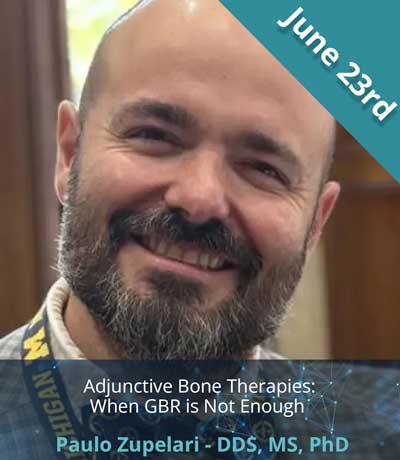 Join us on June 23rd, 2026 Description: This lecture will explore advanced approaches for alveolar bone reconstruction and site development in preparation for future implant rehabilitation. Aside the classic GBR, and the complex ridge reconstructions with flaps, there are various procedures that can enhance implant site development and complex alveolar defects improving the predictability of implant placement in compromised sites. Upon completion of this presentation, participants should be able to: 1) Recognize clinical situations in which conventional GBR may be insufficient for predictable alveolar reconstruction. 2) Compare indications, advantages, limitations, and surgical considerations of adjunctive bone reconstruction techniques, including reinforced membranes, block grafts, tenting approaches, and split-crest procedures. 3) Apply evidence-based decision-making principles to select appropriate reconstructive strategies for implant site development and complex alveolar defects. Paulo Zupelari – DDS, MS, PhD Dr. Paulo Zupelari, DDS, MS, PhD, is a Clinical Assistant Professor of Oral and Maxillofacial Surgery at the University of Michigan School of Dentistry, where he serves as Clinic Director and Director of Predoctoral Oral Surgery. Originally trained in Brazil, he earned DDS, MS, and PhD degrees and completed specialty certification in Oral and Maxillofacial Surgery prior to completing his 2-year advanced fellowship training in TMJ and Orthognathic Surgery at the University of Michigan. His clinical practice and academic work focus on alveolar bone reconstruction, implant therapy, orthognathic and temporomandibular joint surgery, and contemporary surgical education. Dr. Zupelari is actively engaged in teaching, mentorship, and research, with contributions that include peer-reviewed publications, book chapters, funded investigations, and invited presentations across the United States and internationally. He is dedicated to advancing oral and maxillofacial surgery through innovation, education, and evidence-based patient care. Dr. Zupelari has indicated she has no relevant financial information to disclose. Relevant literature for further information: Yu SH, Wang HL. An Updated Decision Tree for Horizontal Ridge Augmentation: A Narrative Review. Periodontology / Implant Dentistry review (2022) PMID: 35472110 DOI: 10.11607/prd.5031 Abu-Mostafa NA et al. The Outcomes of Vertical Alveolar Bone Augmentation by Guided Bone Regeneration with Titanium Mesh: A Systematic Review. J Contemp Dent Pract (2022) PMID: 37125527 DOI: 10.5005/jp-journals-10024-3444 Aloy-Prósper A et al. Intraoral Onlay Block Bone Grafts versus Cortical Tenting Technique on Alveolar Ridge Augmentations: A Systematic Review. Med Oral Patol Oral Cir Bucal (2022) PMID available through PubMed / PMC article DOI: 10.4317/medoral.25169
HTML Button Generator -
 Dr. Paul Homoly, CSP Successful high-dollar case acceptance requires fresh thinking. Relying on worn-out case presentation techniques inconsistently provides the outcomes you hope for. Mastering High-Dollar Case Acceptance reveals the nuances among complex care patients that, when discovered and discussed, give patients the experience of being understood. For most patients, complex dentistry represents a significant lifestyle passage that dentists and teams must be aware of and acknowledge. For patients, complex dentistry is personal; they want it to be personal to us too. Upon completion of this presentation, participants should be able to: 1) Identify the behavioral distinctions between modest versus complex care patients. 2) Recognizing patients’ readiness for complex care. 3) Presenting complex care without overwhelming patients or losing them to sticker shock. Recorded – Apirl 17, 2024
 -
 Torki, BDS, MSc In the past decade, efforts have been made to find the best treatment for immediate implant placement and with extraction sockets. Many protocols have been proposed such as ridge preservation, custom healing abutments and immediate loading. These protocols involve multiple steps and a waste of material. In this presentation, we will talk about methods to overcome these problems and minimize treatment time with digital solutions based on biology. Upon completion of this presentation, participants should be able to: 1) Describe the role of biological principles in abutment selection. 2) Explain the implant-abutment junction and its role in marginal bone stability. 3) Evaluate different methods for immediate temporization. Recorded – May 2, 2024
 -
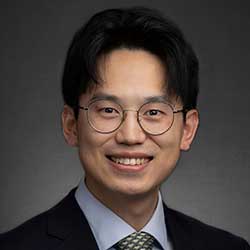 Junying Li, DDS, MS, PhD Prosthetic design is a crucial factor influencing the long-term success of implant treatments. This lecture will explore essential prosthetic considerations, with a focus on trans-mucosal contour design and its relationship to surgical techniques, abutment selection, and the restoration process. A clinical decision tree and cases utilizing a fully digital approach will be demonstrated. Upon completion of this presentation, participants should be able to: 1) Identify the types of single implant abutment. 2) Design an implant crown contour that is both biologically sound and aesthetically correct. 3) Describe the process of immediate single implant loading with digitally pre-fabricated implant crown. Recorded September 18th
 -
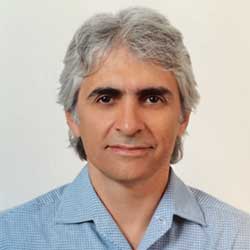 Serdar Yalçın, DDS, PhD This webinar will discuss the concept of digital implantology to perform successful and proper implant treatments in the aesthetic region. The use of basic concepts of implantology, especially from the planning outcome to the prosthetic outcome, will be reviewed. Upon completion of this presentation, participants should be able to: 1) Recommend optimal implant placement at the anterior region. 2) Create a Digital Implantology Workflow for immediate implantation and missing lateral incisors. 3) Describe the advantages and disadvantages of guided surgery. Recorded – June 12, 2024
 -
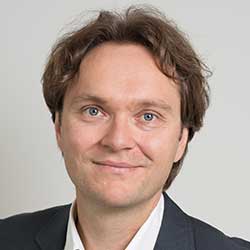 Recorded on April 9th, 2025 Description: This webinar will describe the indication, scientific background and the clinical implementation of the so-called Split Bone Block Technique (Khoury Technique). This alveolar augmentation technique is based on the use of autogenous bone transplants, which are harvested intraorally using a safe and minimally invasive protocol. A specific preparation of the autogenous bone grafts is demonstrated to increase their biological potential and accelerate their healing. In addition to stabilizing the bone grafts, their hermetic soft tissue closure using innovative flap designs is also shown. In addition to shortening patient treatment time, the grafting technique demonstrated enables predictable and long-term stable volumetric and biological tissue stability in the context of lateral and vertical alveolar ridge augmentation. The philosophy of the Split Bone Block Technique is documented in the webinar through numerous different clinical cases and surgical videos. Upon completion of this presentation, participants should be able to: 1) Select appropriate anatomical structures and instruments for safe and minimally invasive intraoral bone graft harvesting. 2) Describe the specific preparation of autogenous bone grafts to increase their biological potential, accelerate their healing and shorten patient treatment time. 3) Identify the clinical and biological factors for predictable, reproducible, volumetric and biological long-term tissue stability with autogenous bone grafts in lateral and vertical alveolar ridge augmentation. Thomas Hanser, DMD, MSc, MSc, MOM Dr. Thomas Hanser is a periodontist and oral surgeon and deputy director of the International Implant Dentistry, Periodontology and Oral Surgery Center at Schloss Schellenstein Private Clinic in Olsberg, Germany and assistant professor at the Department of Postgraduate Education at Goethe University Frankfurt, Germany. He is co-author of the multilingual Quintessence textbooks “Bone Augmentation in Oral Implantology” (2009) and “Bone and Soft Tissue Augmentation in Implantology” (2022). His scientific research results have been published in peer-reviewed journals and were awarded the William Laney Research Award of the American Academy of Osseointegration, USA, in 2017 together with his colleague Prof. Dr. Fouad Khoury. Dr. Hanser has indicated the following relevant financial relationships to disclose: Speaker and received honoraria: Dentsply Sirona and Meisinger Relevant literature for further information: (2022). Khoury Split Bone Block Grafting Technique: Biological Alveolar Bone Augmentation with Autogenous Bone . In Essential Techniques of Alveolar Bone Augmentation in Implant Dentistry, L. Tolstunov (Ed.). https://doi.org/10.1002/9781119827351.ch20 Sánchez-Sánchez J, Pickert FN, Sánchez-Labrador L, Gf Tresguerres F, Martínez-González JM, Meniz-García C. Horizontal Ridge Augmentation: A Comparison between Khoury and Urban Technique. Biology (Basel). 2021 Aug 5;10(8):749. doi: 10.3390/biology10080749. PMID: 34439981; PMCID: PMC8389589. Kovac Z, Cabov T, Blaskovic M, Morelato L. Regeneration of Horizontal Bone Defect in Edentulous Maxilla Using the Allogenic Bone-Plate Shell Technique and a Composite Bone Graft-A Case Report. Medicina (Kaunas). 2023 Mar 2;59(3):494. doi: 10.3390/medicina59030494. PMID: 36984495; PMCID: PMC10053208.
 -
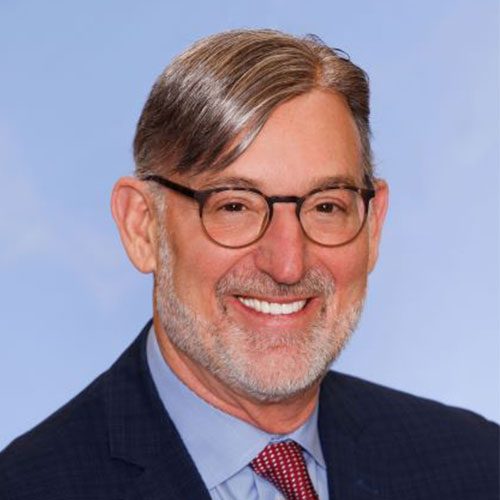
Robert Levine, DDS
This clinical, usable information- packed presentation will describe and identify 10 essential keys for performing immediate single tooth replacement of a hopeless maxillary central incisor. This treatment is considered a complex procedure and a team approach is suggested as the maxillary central incisor is seen as having the most esthetic zone failures resulting in unhappy patients. Once this occurs, restoring the lost hard and soft tissues to their original pre-surgical levels is near impossible. The updated 10 Keys checklist, if strictly followed, will provide high predictability in preventing esthetic complications and offers guidelines to ensure high success based on published studies by Dr. Levine and his clinical research group which confirm the use of the 10 Keys protocol.
Recorded February 4, 2023