
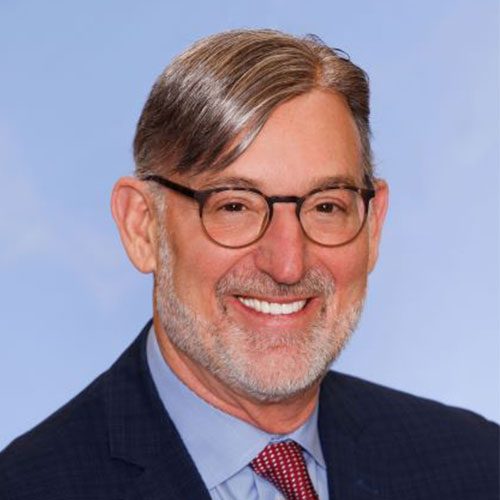
Robert Levine, DDS
This clinical, usable information- packed presentation will describe and identify 10 essential keys for performing immediate single tooth replacement of a hopeless maxillary central incisor. This treatment is considered a complex procedure and a team approach is suggested as the maxillary central incisor is seen as having the most esthetic zone failures resulting in unhappy patients. Once this occurs, restoring the lost hard and soft tissues to their original pre-surgical levels is near impossible. The updated 10 Keys checklist, if strictly followed, will provide high predictability in preventing esthetic complications and offers guidelines to ensure high success based on published studies by Dr. Levine and his clinical research group which confirm the use of the 10 Keys protocol.
Recorded February 4, 2023
-
-
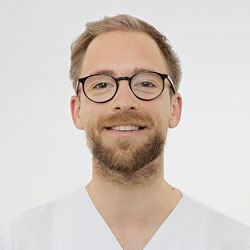
 Lambert Stumpel, DDS The restorative materials that are used for all on four implant fixed prosthesis vary between PMMA, composite, translucent and high strength Zirconia. Most need internal reinforcement to function successfully in the oral environment. Historically support consisted of a cast gold bar, in recent years CAD/CAM milled titanium has been popularized. Today yet another support system has been developed. It allows the fabrication of a metal bar in about 20-30 minutes, at a fraction of the cost of current CAD/CAM bars. This presentation will show how a prefabricated modular system, when combined with modern printing and milling techniques, allows the fabrication of a final prosthesis near time of implant placement. Recorded – February 25, 2023
 -
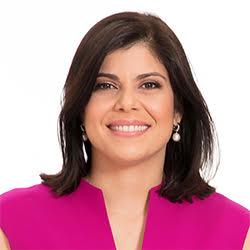
 Prof. Dr. Tobias Fretwurst What if our therapies were as precise as Netflix recommendations? What sounds like the future is becoming increasingly commonplace in many areas of medicine. In this talk, Dr. Fretwurst will explain in simple terms what is meant by precision medicine and discuss its immense potential. Then he will showcase how his work group is already making use of this so-called personalized medicine in the field of implant dentistry. How can precision medicine be applied, for example, in grafting surgery? Can it revolutionize peri-implantitis diagnosis? What are the current limitations? Recorded - July 12, 2023
 -
 Irene Marron-Tarrazzi, DMD, MS This webinar will discuss contemporary approaches for minimally invasive and predictable treatment of soft tissue deformities using microsurgical techniques in periodontal and implant surgery. Upon completion of this presentation, participants should be able to: 1) Explore different surgical techniques where periodontal microsurgical principles can be applied. 2) Describe what the adequate amount of soft tissue management and gingival volume required for peri-implant esthetics. 3) Explain the key factors for a successful outcome. Recorded - January 20, 2024
 -
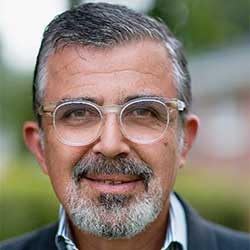 Irene Marron-Tarrazzi, DMD, MS The successful fabrication and delivery of fixed implant supported prosthesis is dependent upon a systematic interplay between the surgical and prosthetic treatment planning objectives. A paradigm shift has taken place as the Graftless surgical approach has gained credibility. Reduced treatment time, a single stage surgical reconstructions and immediate loading has resulted in a higher degree of case acceptance. Upon completion of this presentation, participants should be able to: 1) Identify the appropriate number of implants for full arch reconstructions. 2) Discuss the proper distribution of implants for full arch reconstructions. 3) Explain the use of Axial, tilted and zygoma implants for full arch maxillary reconstructions. Recorded - February 10, 2024
 -
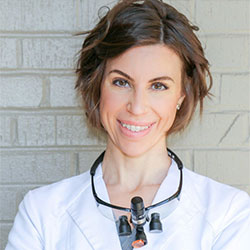 Courtney Donkoh, DDS This presentation will familiarize the audience with several types of facial growth patterns, as described in the literature by Dr. Arne Bjork. The audience will learn how to assess mandibular rotation and understand how to differentiate the various types of mandibular rotation, as described in the literature by Dr. Peter Buschang. Along the way, we will discuss interventions that influence mandibular rotation. Upon completion of this presentation, participants should be able to: 1) Describe the three types of forward mandibular rotation and two types of backward mandibular rotation. 2) Explain the difference between matrix rotation and true rotation of the mandible and describe how to assess both. 3) Identify six interventions that influence mandibular rotation. Recorded – March 19, 2024
 -
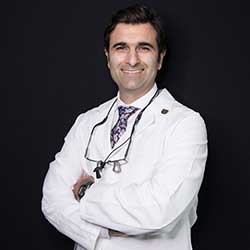 Sam Shamardi, DMD This course will provide an overview of several essential factors that a dental professional needs to succeed as an individual and practice owner from graduation day to retirement. Upon completion of this presentation, participants should be able to: 1) Identify best options for student loan repayment. 2) Explain why saving from day one is essential. 3) Describe important lifestyle and work habits that need to be considered for long term success. Recorded – March 26, 2024
 -
 Dr. Paul Homoly, CSP Successful high-dollar case acceptance requires fresh thinking. Relying on worn-out case presentation techniques inconsistently provides the outcomes you hope for. Mastering High-Dollar Case Acceptance reveals the nuances among complex care patients that, when discovered and discussed, give patients the experience of being understood. For most patients, complex dentistry represents a significant lifestyle passage that dentists and teams must be aware of and acknowledge. For patients, complex dentistry is personal; they want it to be personal to us too. Upon completion of this presentation, participants should be able to: 1) Identify the behavioral distinctions between modest versus complex care patients. 2) Recognizing patients’ readiness for complex care. 3) Presenting complex care without overwhelming patients or losing them to sticker shock. Recorded – Apirl 17, 2024
 -
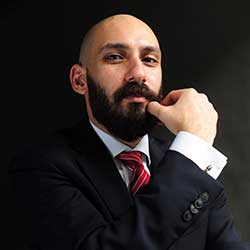 Torki, BDS, MSc In the past decade, efforts have been made to find the best treatment for immediate implant placement and with extraction sockets. Many protocols have been proposed such as ridge preservation, custom healing abutments and immediate loading. These protocols involve multiple steps and a waste of material. In this presentation, we will talk about methods to overcome these problems and minimize treatment time with digital solutions based on biology. Upon completion of this presentation, participants should be able to: 1) Describe the role of biological principles in abutment selection. 2) Explain the implant-abutment junction and its role in marginal bone stability. 3) Evaluate different methods for immediate temporization. Recorded – May 2, 2024
 -
 Nermin Tarhan, MS Personalized medicine requires individual risk assessment as an integral part of the diagnostic, therapeutic, and prognostic processes. Despite categoric evaluation of most medical diseases/disorders, it is crucial to evaluate each patient individually. Peri-implantitis is one of the important complications of dental implant treatments and in many cases management of peri-implantitis can be quite challenging for dental professionals. Thus, prevention of peri-implantitis is suggested to be of utmost importance. Upon completion of this presentation, participants should be able to: 1) Describe personalized medicine, and individual risk assessment. 2) Explain the challenge and complexity of successful management of peri-implantitis. 3) Identify the essential elements of risk assessment for prevention of peri-implantitis. Record on November 20th
 -
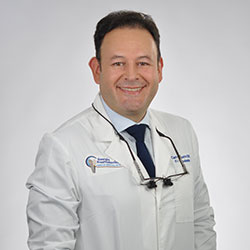 Carlos Castro, DDS This session will take a comprehensive look at the rationale for development and innovations in implant-supported denture planning and designs. Upon completion of this presentation, participants should be able to: 1) Discuss the evolution of implant-supported denture design and Its Impact on patient outcomes. 2) Explain biological considerations including osseointegration, tissue response, and long-term health. 3) Describe biomechanical perspectives: load distribution, prosthesis stability, and patient comfort Recorded – October 17, 2024
 -
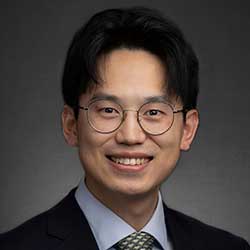 Junying Li, DDS, MS, PhD Prosthetic design is a crucial factor influencing the long-term success of implant treatments. This lecture will explore essential prosthetic considerations, with a focus on trans-mucosal contour design and its relationship to surgical techniques, abutment selection, and the restoration process. A clinical decision tree and cases utilizing a fully digital approach will be demonstrated. Upon completion of this presentation, participants should be able to: 1) Identify the types of single implant abutment. 2) Design an implant crown contour that is both biologically sound and aesthetically correct. 3) Describe the process of immediate single implant loading with digitally pre-fabricated implant crown. Recorded September 18th
 -
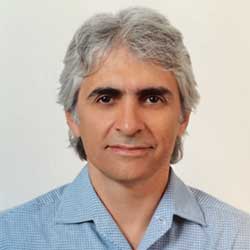 Serdar Yalçın, DDS, PhD This webinar will discuss the concept of digital implantology to perform successful and proper implant treatments in the aesthetic region. The use of basic concepts of implantology, especially from the planning outcome to the prosthetic outcome, will be reviewed. Upon completion of this presentation, participants should be able to: 1) Recommend optimal implant placement at the anterior region. 2) Create a Digital Implantology Workflow for immediate implantation and missing lateral incisors. 3) Describe the advantages and disadvantages of guided surgery. Recorded – June 12, 2024
 -
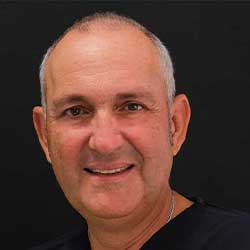 Hakan Özyuvacı, DDS, PhD Nowadays, implant applications to compensate for missing teeth have become very common. As in many cases, we can easily apply implants. Unfortunately, during implant applications, we often encounter hard and soft tissue deficiencies and we apply many different methods to compensate for these deficiencies. Although there are cases where we have performed with advanced surgical techniques and achieved good results, we have pursued alternative treatment methods due to the risk of complications and the prolonged treatment period. In this presentation, current treatment methods preferred to shorten treatment processes and reduce complication risks and the advantages and disadvantages of advanced surgical techniques we have previously applied will be discussed. Upon completion of this presentation, participants should be able to: 1) Discuss comprehensive implant treatment. 2) Describe how to reduce the risk of complications and treatment processes of advanced surgical techniques. 3) Explain the predictable advantages of alternative treatment methods with fewer angled implants or shortened implant placement. Recorded September 24th
 -
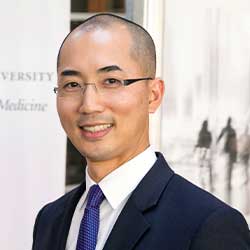 Yong-Han Koo, DDS In this program, you will learn about new innovations in digital robotic workflow for optimal clinical care ranging from a single-tooth, immediate implant therapy to complex situations addressing both severe hard and soft tissue defects using bioactive modifiers and customized GBR techniques in the esthetic zone as well as the posterior maxilla and mandible. Specifically, efficient robotic-assisted surgical protocol based on prosthetically and biologically driven concept will be reviewed in a step-by-step manner. Future concepts will also be discussed. Upon completion of this presentation, participants should be able to: 1) Explain the difference between ‘Success’ vs ‘Survival’ in implant therapy. 2) Discuss when to apply Stage I, II and III surgical protocols based on risk factors and predictability. 3) Recognize the advantages of robotic-assisted surgery and appreciate the benefits of minimally invasive surgery.Recorded December 11th, 2024
 -
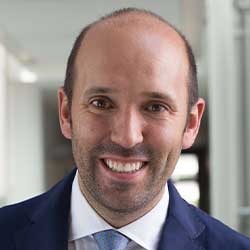 Recorded on January 15th Description: This presentation will focus on the key restorative aspects that are related to the long-term success of implant restorations and peri-implant tissue stability. Upon completion of this presentation, participants should be able to: 1) Describe the ideal implant positioning in relation to the tooth position and the bone. 2) Explain how to design the implant restoration emergence profile. 3) Select the best restorative material. Gianluca Paniz DDS, MS, PhD Gianluca Paniz achieved his dental degree (DDS) at the University of Padova (Italy) in 2002. He attended TUFTS University (Boston, USA) from 2003 until 2007 and achieved the Certificate of Advanced Education in Prosthodontics, the Master of Science (with a research on the esthetic outcome of different ceramic restorations) and the Certificate of Advanced Education in Esthetic Dentistry. In 2016 achieved the title of Doctor Philosophiae (PhD) at the Univeristat International de Catalunja (Barcelona, Spain) with a research on the periodontal response to different prosthetic margin designs. Gianluca Paniz is Adjunct Assistant Professor in the Department of Prosthodontics and Operative Dentistry at TUFTS University (Boston, USA) and Visiting Professor in the Department of Implantology at the University of Padova (Padova, Italy). Diplomate of the American Board of Prosthodontics, Recognized Specialist of the European Prosthodontic Association (E.P.A.), Founder of the Italian Society of Prosthodontics and Oral Rehabilitation (SIPRO), Active Member of the Italian Academy of Prosthetic Dentistry (AIOP), of the Italian Academy of Osseointegration (IAO) and of the Italian Academy of Aesthetic Dentistry (IAED). Gianluca lectures nationally and internationally. Reviewer for the International Journal of Periodontics and Restorative Dentistry, author or coauthor of several articles and book chapters. Gianluca Paniz practice in his office in Padova and Vicenza, Italy and in Marbella, Spain. Dr. Paniz has indicated that he has no relevant financial relationships to disclose.
 -
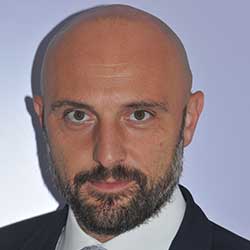 Recorded on February 18th, 2025 Description: The goal of modern implant therapy in aesthetic areas is no longer represented just by the successful integration of the implant or tooth restoration. The final result must be a restoration surrounded by a soft and hard tissue environment in harmony with the existing teeth. Gingival health is among the first fundamental esthetic objectives during treatment planning; it is also essential to consider gingival morphology and contour. The ideal gingival architecture has been described as one that consists of knife-edged gingival margins tightly adapted to the teeth, interdental grooves, and cone-shaped inter- dental papilla. Soft tissue grafting procedures are increasingly performed for a number of indications in conjunction with dental implant therapy. The presentation will identify the role of gingival form in esthetic dentistry. A new volume stable collagen matrix will be presented analyzing research data and clinical indications. The surgical protocol in peri-implant soft tissues management and periodontal plastic surgery will be presented. Upon completion of this presentation, participants should be able to: 1) Identify methods of treatment planning for soft tissues management. 2) Describe proper surgical technique in peri-implant soft tissues management. 3) Recognize the best surgical technique for soft tissues harvesting. Mario Beretta, DDS, MSc, PhD Mario Beretta graduated with a degree in Dentistry and Dental Prosthetics at the University of Milan in 1999, specializing in Oral Surgery and received his PhD in Oral Implantology and Complex Rehabilitation in 2003, also at the University of Milan. He currently serves as Associate Professor in Oral Surgery at the School of Dentistry at the University of Milan and is Associate Professor in Oral Surgery in the Grad School at the University of Milan. Dr. Beretta is the author of several scientific publications and co-author of books concerning implants and bone augmentation. He is a speaker at many national and international congresses. Dr. Beretta has indicated he has no relevant financial relationships to disclose. Relevant literature for further information: Beretta M, Poli PP, Pieriboni S, Tansella S, Manfredini M, Cicciù M, Maiorana C. Peri-Implant Soft Tissue Conditioning by Means of Customized Healing Abutment: A Randomized Controlled Clinical Trial. Materials. 2019; 12(18):3041. https://doi.org/10.3390/ma1218304 avelli L, Barootchi S, Avila-Ortiz G, Urban IA, Giannobile WV, Wang HL. Peri-implant soft tissue phenotype modification and its impact on peri-implant health: A systematic review and network meta-analysis. J Periodontol. 2021;92:21–44. https://doi.org/10.1002/JPER.19-0716 tefanini M, Marzadori M, Sangiorgi M, Rendon A, Testori T, Zucchelli G. Complications and treatment errors in peri-implant soft tissue management. Periodontol 2000. 2023;92:263-277. doi: 10.1111/prd.12470
 -
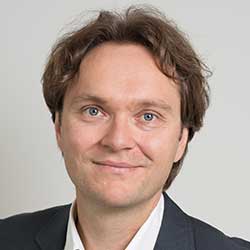 Recorded on April 9th, 2025 Description: This webinar will describe the indication, scientific background and the clinical implementation of the so-called Split Bone Block Technique (Khoury Technique). This alveolar augmentation technique is based on the use of autogenous bone transplants, which are harvested intraorally using a safe and minimally invasive protocol. A specific preparation of the autogenous bone grafts is demonstrated to increase their biological potential and accelerate their healing. In addition to stabilizing the bone grafts, their hermetic soft tissue closure using innovative flap designs is also shown. In addition to shortening patient treatment time, the grafting technique demonstrated enables predictable and long-term stable volumetric and biological tissue stability in the context of lateral and vertical alveolar ridge augmentation. The philosophy of the Split Bone Block Technique is documented in the webinar through numerous different clinical cases and surgical videos. Upon completion of this presentation, participants should be able to: 1) Select appropriate anatomical structures and instruments for safe and minimally invasive intraoral bone graft harvesting. 2) Describe the specific preparation of autogenous bone grafts to increase their biological potential, accelerate their healing and shorten patient treatment time. 3) Identify the clinical and biological factors for predictable, reproducible, volumetric and biological long-term tissue stability with autogenous bone grafts in lateral and vertical alveolar ridge augmentation. Thomas Hanser, DMD, MSc, MSc, MOM Dr. Thomas Hanser is a periodontist and oral surgeon and deputy director of the International Implant Dentistry, Periodontology and Oral Surgery Center at Schloss Schellenstein Private Clinic in Olsberg, Germany and assistant professor at the Department of Postgraduate Education at Goethe University Frankfurt, Germany. He is co-author of the multilingual Quintessence textbooks “Bone Augmentation in Oral Implantology” (2009) and “Bone and Soft Tissue Augmentation in Implantology” (2022). His scientific research results have been published in peer-reviewed journals and were awarded the William Laney Research Award of the American Academy of Osseointegration, USA, in 2017 together with his colleague Prof. Dr. Fouad Khoury. Dr. Hanser has indicated the following relevant financial relationships to disclose: Speaker and received honoraria: Dentsply Sirona and Meisinger Relevant literature for further information: (2022). Khoury Split Bone Block Grafting Technique: Biological Alveolar Bone Augmentation with Autogenous Bone . In Essential Techniques of Alveolar Bone Augmentation in Implant Dentistry, L. Tolstunov (Ed.). https://doi.org/10.1002/9781119827351.ch20 Sánchez-Sánchez J, Pickert FN, Sánchez-Labrador L, Gf Tresguerres F, Martínez-González JM, Meniz-García C. Horizontal Ridge Augmentation: A Comparison between Khoury and Urban Technique. Biology (Basel). 2021 Aug 5;10(8):749. doi: 10.3390/biology10080749. PMID: 34439981; PMCID: PMC8389589. Kovac Z, Cabov T, Blaskovic M, Morelato L. Regeneration of Horizontal Bone Defect in Edentulous Maxilla Using the Allogenic Bone-Plate Shell Technique and a Composite Bone Graft-A Case Report. Medicina (Kaunas). 2023 Mar 2;59(3):494. doi: 10.3390/medicina59030494. PMID: 36984495; PMCID: PMC10053208.
 -
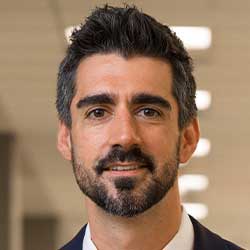 Recorded on April 10th, 2025 Description: Peri-implantitis has been receiving attention following recent studies that showed that it is highly prevalent and difficult to manage. This lecture will provide the latest evidence-based information on peri-implant diseases with emphasis on the role that titanium particle release has in destructive bone inflammation around implants. Strategies for prevention and mitigation will be presented through clinical cases. Upon completion of this presentation, participants should be able to: 1) Identify explicit methods of peri-implant evaluation. 2) Explain the role of titanium particles around implants. 3) Discuss the etiology of peri-implantitis. Georgios Kotsakis, DDS, MS Dr. George Kotsakis is a Professor & Assistant Dean for Clinical Research at the Rutgers School of Dental Medicine. He is a dual trained clinician scientist and Board Certified Periodontist. At Rutgers he is the Director of Research leading the NIH-funded Clinical Research Center conducting research on the biological mechanisms underlying peri-implant bone loss and developing novel treatments for dental and biomedical implants. Dr. Kotsakis has published over 100 peer-reviewed scientific articles and textbook chapters with more than 30,000 citations of his work. He is one of the few Dental researchers to have been published in prestigious medical publications, such as the Lancet and PNAS. He has been the recipient of multiple career and research awards from the American Academy of Periodontology, the Academy of Periodontology Foundation and other organizations. Additionally, he serves as an Associate Editor for the Journal of Periodontology and CIDRR. Dr. Kotsakis has indicated the following relevant financial relationships to disclose: Speaker and received honoraria: Osteogenics, Novabone Received honoraria: Datum Dental Performed research: Osteogenics, Novabone, Datum Dental, Dentsply, MIS, Stellalife, ITI, Waterpik
 -
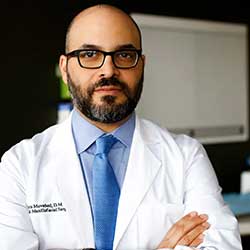 Recorded on May 1st, 2025 Description: Indications for application of total temporomandibular joint replacement (TJR) and maxillomandibular advancement (MMA) are multifaceted and vary from case to case, and it is imperative for the clinician to understand all the contemporary approaches and literature when considering the appropriate treatment for airway disorders, obstructive sleep apnea (OSA) , TMD, craniofacial deformities and trauma. The proper diagnosis must be supported by the necessary studies, including TMJ MRI, CBCT, polysomnography, and clinical findings. The correct option and timing of surgery is paramount to the long-term success of each case. Tailored treatment planning will be discussed in conjunction with cutting edge digital workflow to increase success and predictability of surgical and stable orthodontic outcomes. Upon completion of this presentation, participants should be able to: 1) Explain the various TMJ pathologies requiring TJR. 2) Describe when to use TJR to ensure the most stable biomechanical outcomes. 3) Recognize the available methodologies including clinical assessment, CT scan, and MRI for utilizing TJR as part of the ortho-surgical treatment. Reza Movahed, DMD Dr. Reza Movahed is an Oral and Maxillofacial Surgeon in private practice serving the greater St. Louis region, San Francisco Bay area, and patients from across the country. His private practice, Movahed OMS, concentrates on treating patients with dentofacial deformities and obstructive sleep apnea requiring corrective jaw surgery, temporomandibular joint surgery, and combined orthognathic and TMJ surgery. After receiving his Doctorate in Dental Medicine from the University of Medicine and Dentistry of New Jersey, he completed his residency program at Nova Southeastern University, and a fellowship specializing in TMJ and corrective jaw surgery to manage dentofacial deformities. Dr. Movahed is a Clinical Assistant Professor at the Saint Louis University, Department of Orthodontics, where he lectures on surgical orthodontics and takes part in multidisciplinary ortho-surgical cases with residents. He has written multiple chapters for books concentrating in OSA, joint and corrective jaw surgery, numerous scientific articles, and is the coauthor of a textbook which focuses on treatments for sleep apnea. In his spare time, he is a painter and musician. Dr. Movahed has indicated he has no relevant financial relationships to disclose.
Relevant literature for further information:
Movahed, Reza, AND Semensohn, Ryan. “Indications for alloplastic total joint replacement in obstructive sleep apnea patients requiring maxillomandibular advancement” Frontiers of Oral and Maxillofacial Medicine [Online], Volume 5(16 February 2023) Al-Moraissi , E.A. , Wolford , L.M. , 2017 . Does temporomandibular joint pathology with or without surgical management affect the stability of counterclockwise rotation of the maxillomandibular complex in orthognathic surgery? A systematic review and meta-analysis. Journal of Oral and Maxillofacial Surgery , 75 ( 4 ), 805 – 821 . Arif H, Ashraf R, Khan F, Khattak YR, Nisar H, Ahmad I. Total temporomandibular joint reconstruction prosthesis in hemifacial microsomia: A systematic review. Orthod Craniofac Res. 2024; 27: 15-26. doi:10.1111/ocr.12695